
Winter is the quiet season in much of East Asia, and for many travellers the best one. The skies over northern China, Korea and much of Japan are often clear and dry, the summer crowds are gone, and temples and gardens look sharper in the cold light. In the far north, snow and ice become the attraction in themselves. The trade-off is real cold in some places, short days, and a holiday season that can fill trains and close shops for days. This stop on the line covers what to see, how to stay warm, and how to work around the holidays.
Harbin and the ice festival
Harbin, in China's far north-east, holds one of the world's largest ice and snow festivals each winter. Whole buildings, castles and towers are carved from blocks of ice cut from the frozen river, then lit from within in bright colours. Snow sculptures, frozen-river activities and parks full of ice slides fill the city through the coldest weeks. The festival usually runs from around the turn of the year into February, but dates change each year, so check before you go.
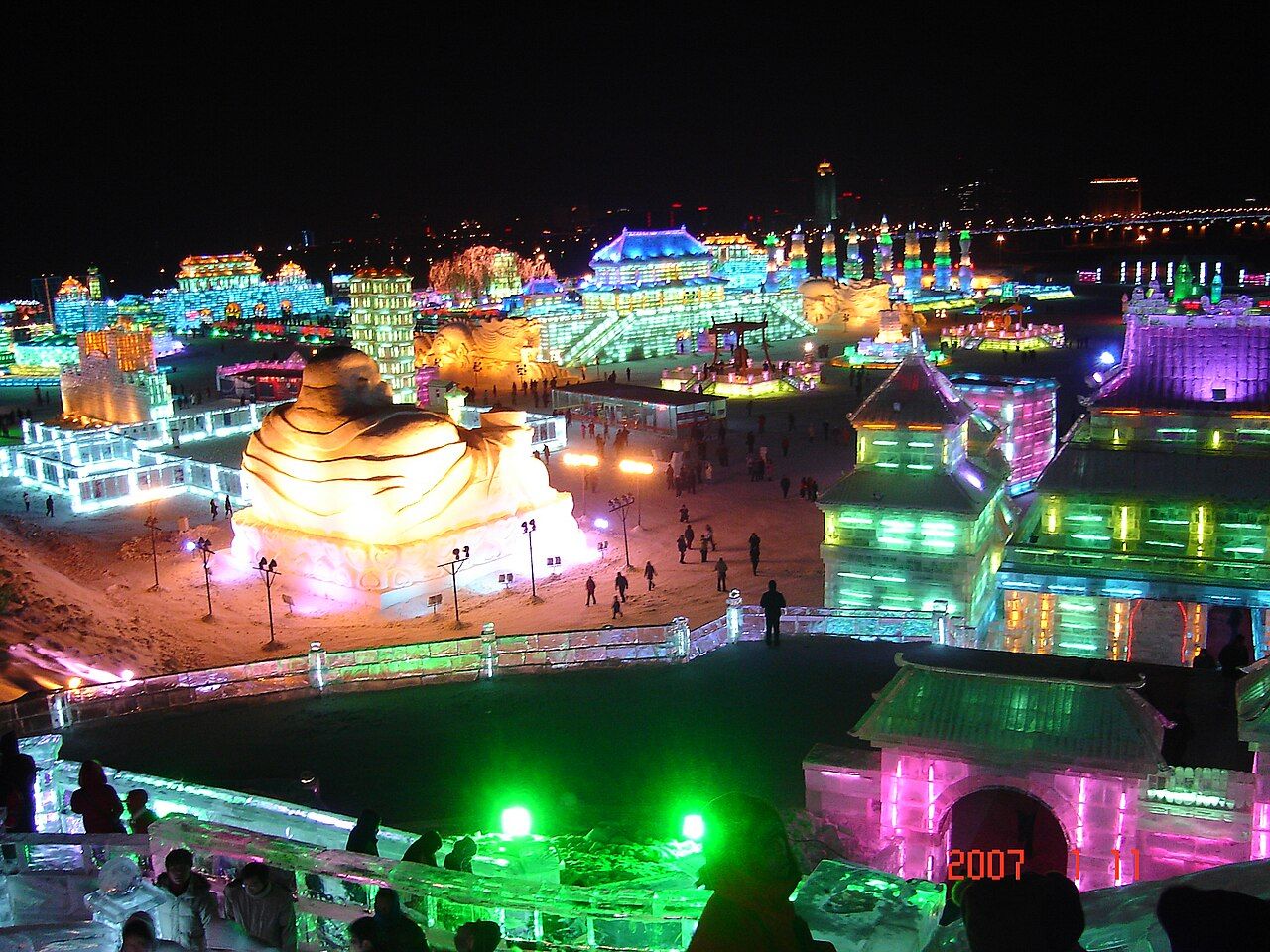
The cold is serious. Temperatures in Harbin regularly fall far below freezing, especially at night, when the ice is lit. Dress in many layers, cover your face and hands, and go inside often to warm up. Phones and camera batteries drain fast in the cold; keep them in an inside pocket. The high-speed network reaches Harbin, and the guide to rail passes and high-speed trains explains how real-name tickets work in China.
Hokkaido and the Japanese snow country
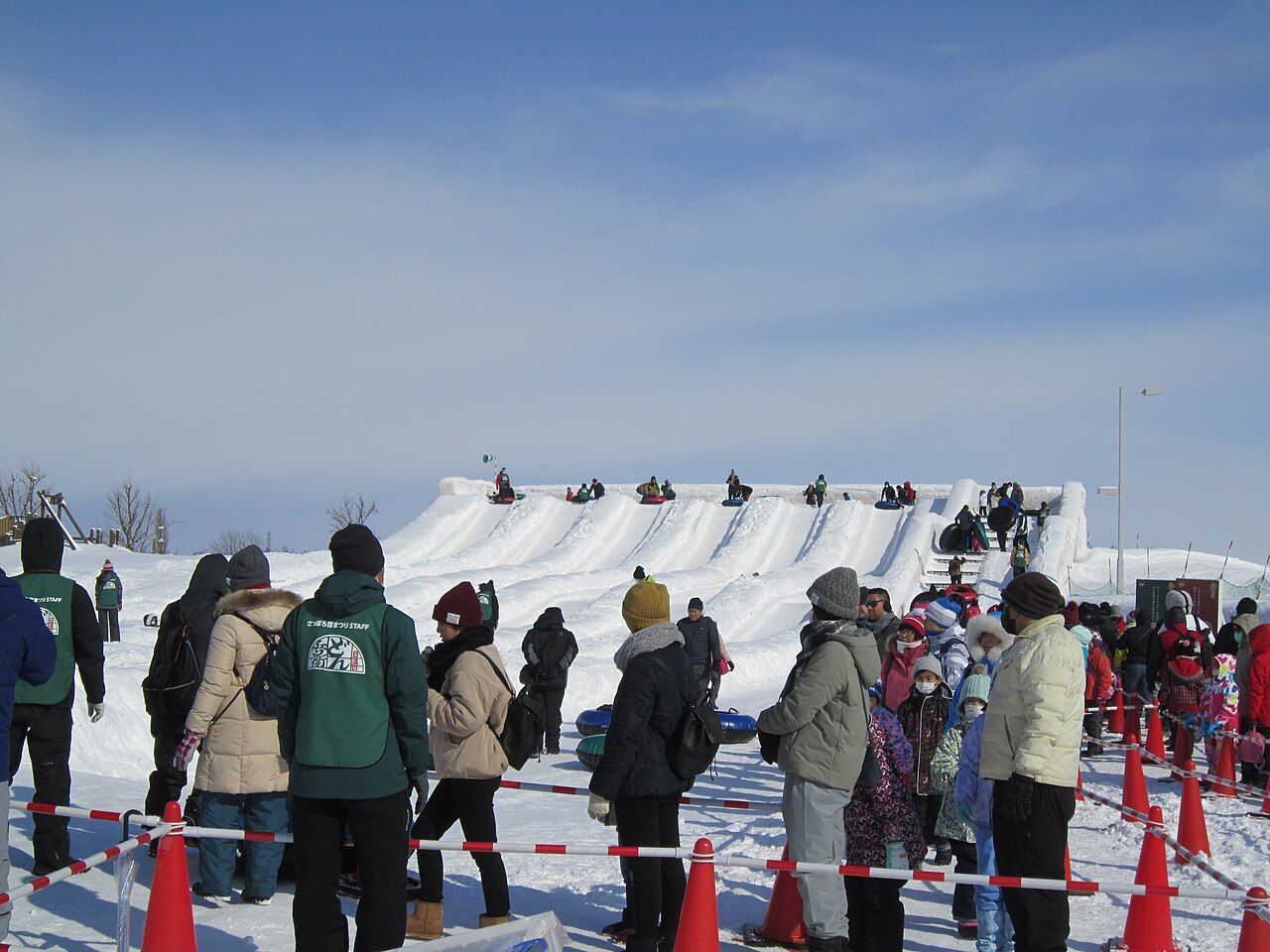
Japan's northern island, Hokkaido, receives heavy snow every winter, and the powder snow of its mountains is famous among skiers. Sapporo holds a snow festival in early February, with large sculptures of snow and ice along the main park through the city centre and family activities at other sites. Further afield, the frozen coast and hot spring towns make winter a season to enjoy rather than endure.
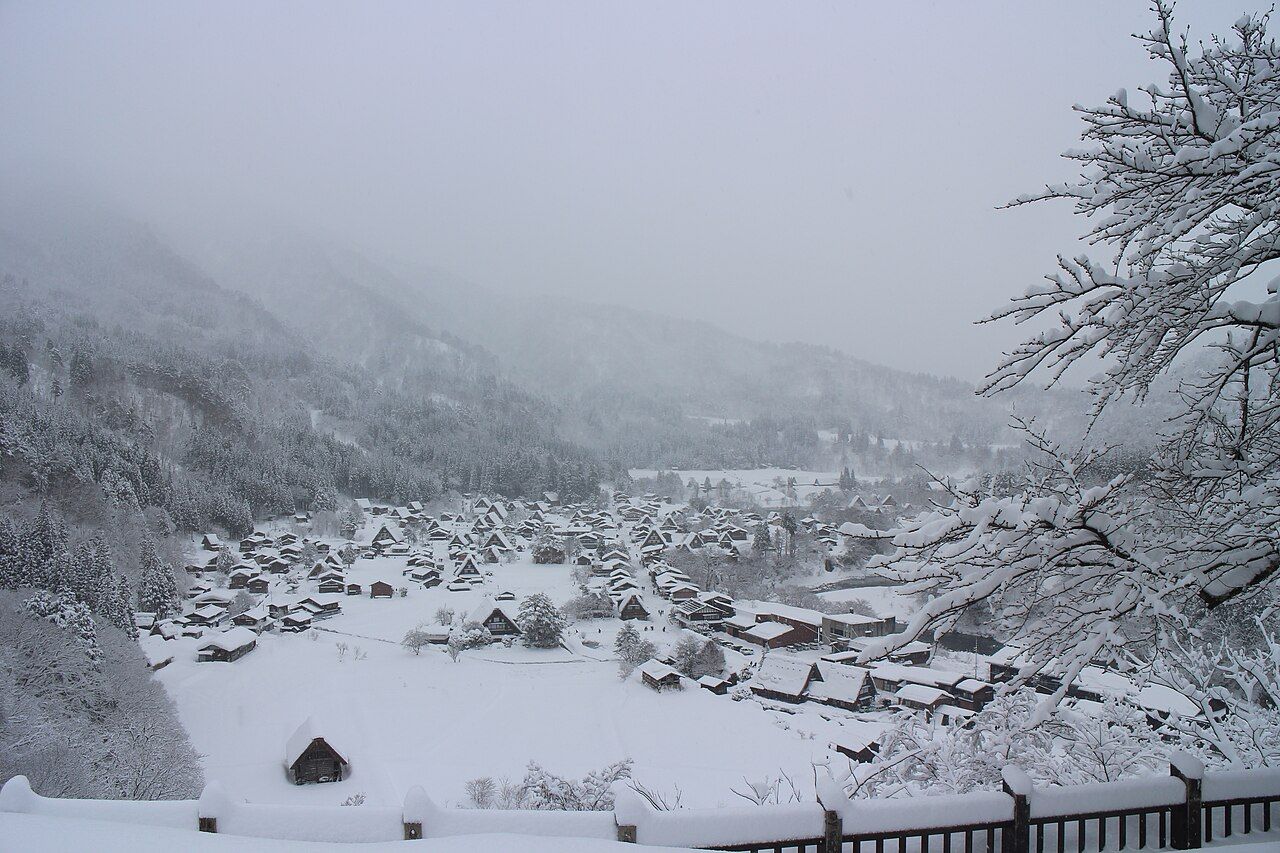
On the main island of Honshu, the mountainous regions facing the Sea of Japan are among the snowiest inhabited places on earth. Villages such as Shirakawa-go, with steep thatched roofs built to shed the snow, look their finest under a white blanket. Some winter evenings bring illuminations to the village that require advance reservation. Further south, cities such as Kanazawa protect the trees in their gardens with ropes against the weight of snow. 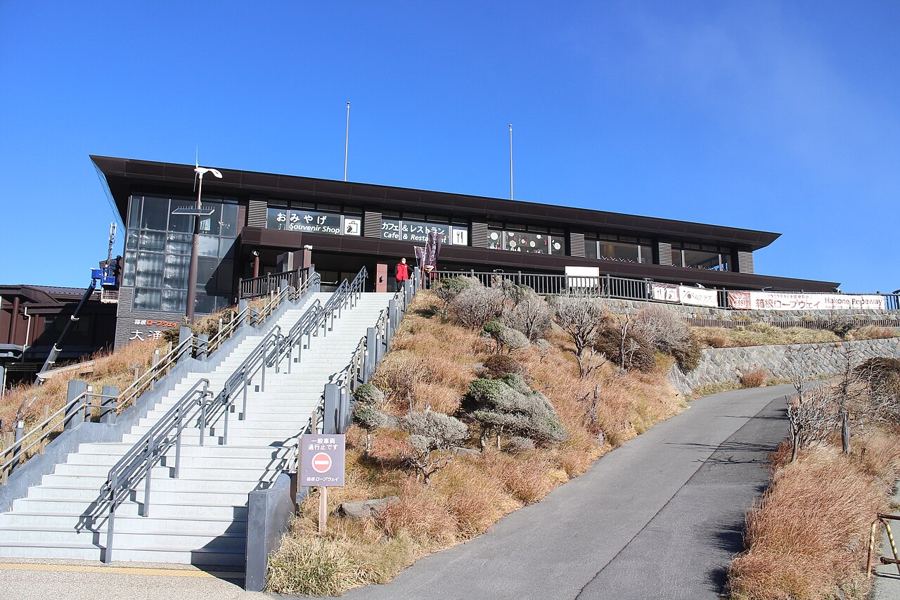 Change here for JapanThe Hakone loop with Mount Fuji in or out of the clouds
Heated floors and warm rooms
Staying warm indoors differs across the region. In Korea, the ondol system heats rooms from beneath the floor, a tradition centuries old. Many Korean homes and guesthouses still have it, and people sit, eat and sleep close to the warm floor. Traditional Japanese houses are often less well insulated, and people keep warm with the kotatsu, a low table with a heater underneath and a quilt over the top, and with deep baths before bed. Hot spring baths become even more welcome in winter.
In southern China, many buildings were built without central heating, and rooms can feel cold and damp. Pack warm sleepwear, and do not assume that a room in a mild climate will be warm.
How to layer
The key to cold weather is layers that you can add and remove, because trains, shops and museums are often very warm inside.
- A thin thermal base layer that draws moisture away from your skin.
- A warm middle layer such as fleece or wool.
- A windproof outer layer, ideally with a hood.
- Hat, gloves and a scarf or neck warmer, because most heat is lost from the extremities.
- Boots with grip for icy pavements, where falls are common.
- Disposable heat packs, sold in convenience stores across Japan and Korea in winter, for pockets and shoes.
Food helps too. The guide to chopsticks and table manners covers the shared hot pots and stews that warm up winter evenings across the region.
Lunar New Year: crowds and closures
The Lunar New Year, which falls in late January or February, is the biggest holiday of the year in China, Korea, Taiwan, Hong Kong and Macau. It is a time for families, and hundreds of millions of people travel home. In China, the travel period around the holiday lasts for weeks, and trains and flights fill up long in advance. Many shops, restaurants and smaller businesses close for several days, and some museums and attractions change their hours.
The holiday also brings decorations, lanterns, fireworks where allowed, and festive markets. If you want to see it, book transport and accommodation early, expect higher prices, and plan quiet days when much is shut. If you want to avoid it, travel a week or two before or after. Japan celebrates the New Year on the first of January instead, and many businesses close for the first few days of the year. Dates move with the lunar calendar, so check before you go.
Short days, clear light
Winter days are short, particularly in the north, so start early and plan your outdoor time around the light. The reward is the clearest air of the year, empty gardens, and temples with steam rising from incense burners in the cold. Few seasons show the region more honestly. Pair a cold, bright morning at a temple in Kyoto with an afternoon by a heated floor or a hot spring bath, and winter starts to feel less like an obstacle and more like the point. Pack well, travel early in the day, and let the shorter hours slow you down.
Photographs on this platform
- Main photograph: Suicasmo, CC BY-SA 4.0
- Photograph: GBY at English Wikipedia, Public domain
- Photograph: 禁樹なずな, CC BY-SA 4.0
