
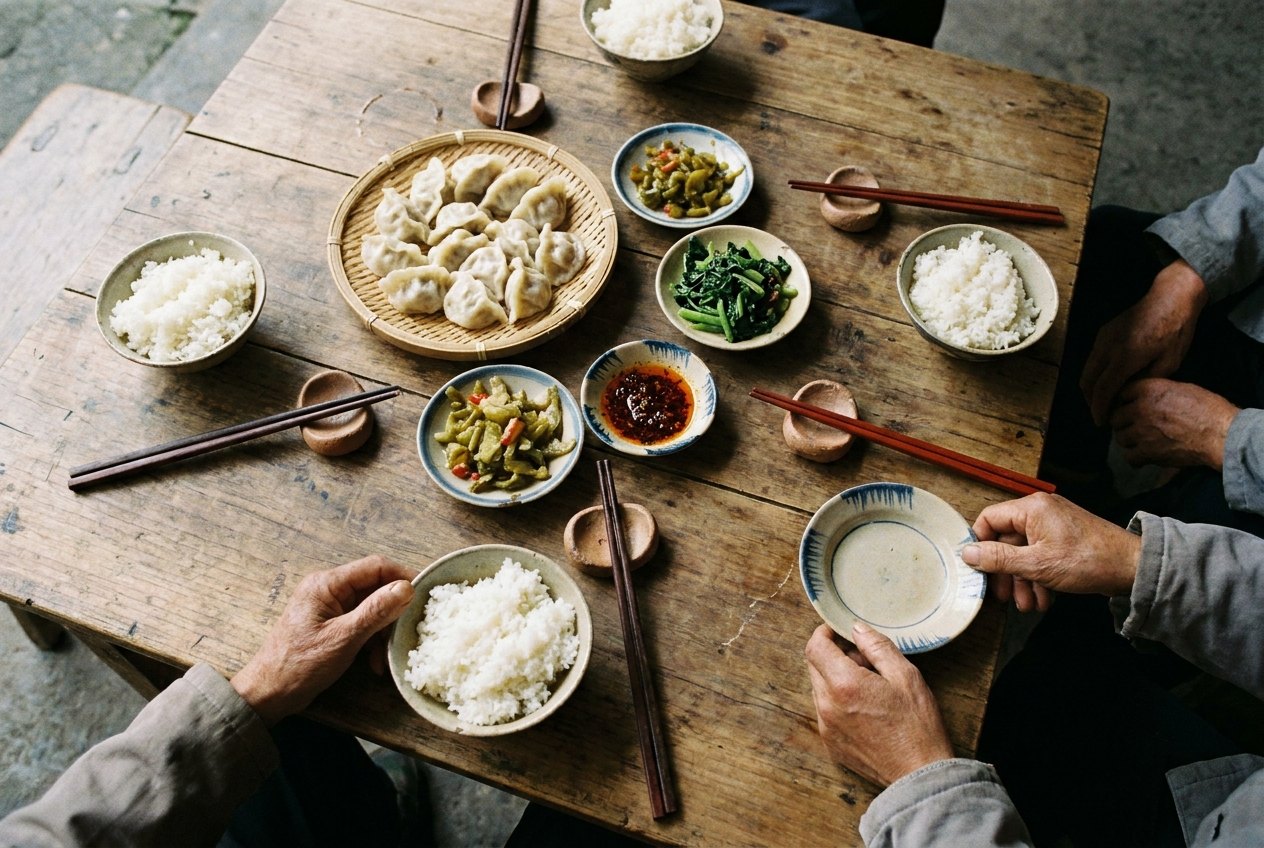
Chopsticks are the common thread across East Asia, but the table around them changes from country to country. In China, meals are built around dishes shared from the middle. In Japan, each person often has a tray of small bowls of their own. In Korea, rice comes with a spoon and a spread of side dishes that keeps on growing. Nobody expects a visitor to get everything right, and a sincere attempt goes a long way. Still, a handful of habits are worth learning before you sit down, because they touch on respect, on hygiene and, in a couple of cases, on how the dead are honoured.
The rules everyone shares
Some customs hold across the whole region. Do not stand your chopsticks upright in a bowl of rice: it resembles incense placed for the dead and makes people uncomfortable. Do not point at people with chopsticks, wave them over the dishes while you decide, or use them to pull a bowl towards you. Do not spear food unless you have no other choice. When you put them down, rest them on the holder if there is one, or neatly together across your bowl or plate.
Waiting matters too. At a family meal or a formal dinner, the eldest or the host usually begins first. If you are unsure, watch and follow. Finishing your rice is generally appreciated, although customs about clearing every plate vary, and in some Chinese settings a host may keep refilling dishes as long as anything is left.
China: the shared table
At a Chinese meal, dishes arrive in the centre and everyone helps themselves, often from a turning glass tray. Take from the side of the dish nearest you rather than digging for the best piece. Many restaurants now set out serving chopsticks or spoons for shared plates, and using them is considered good manners. It is normal to put a few pieces at a time into your own bowl, then eat from the bowl. Lifting the rice bowl close to your mouth is fine.
Pouring tea for others before yourself is a small courtesy that people notice. In Cantonese-speaking areas, including Hong Kong, you may see diners tap two or three fingers on the table when someone fills their cup, a quiet thank-you. Bones and shells go on a side plate. In some coastal regions, turning a whole fish over on the plate is avoided, as the image recalls a boat capsizing. Lift the flesh off the bone instead.
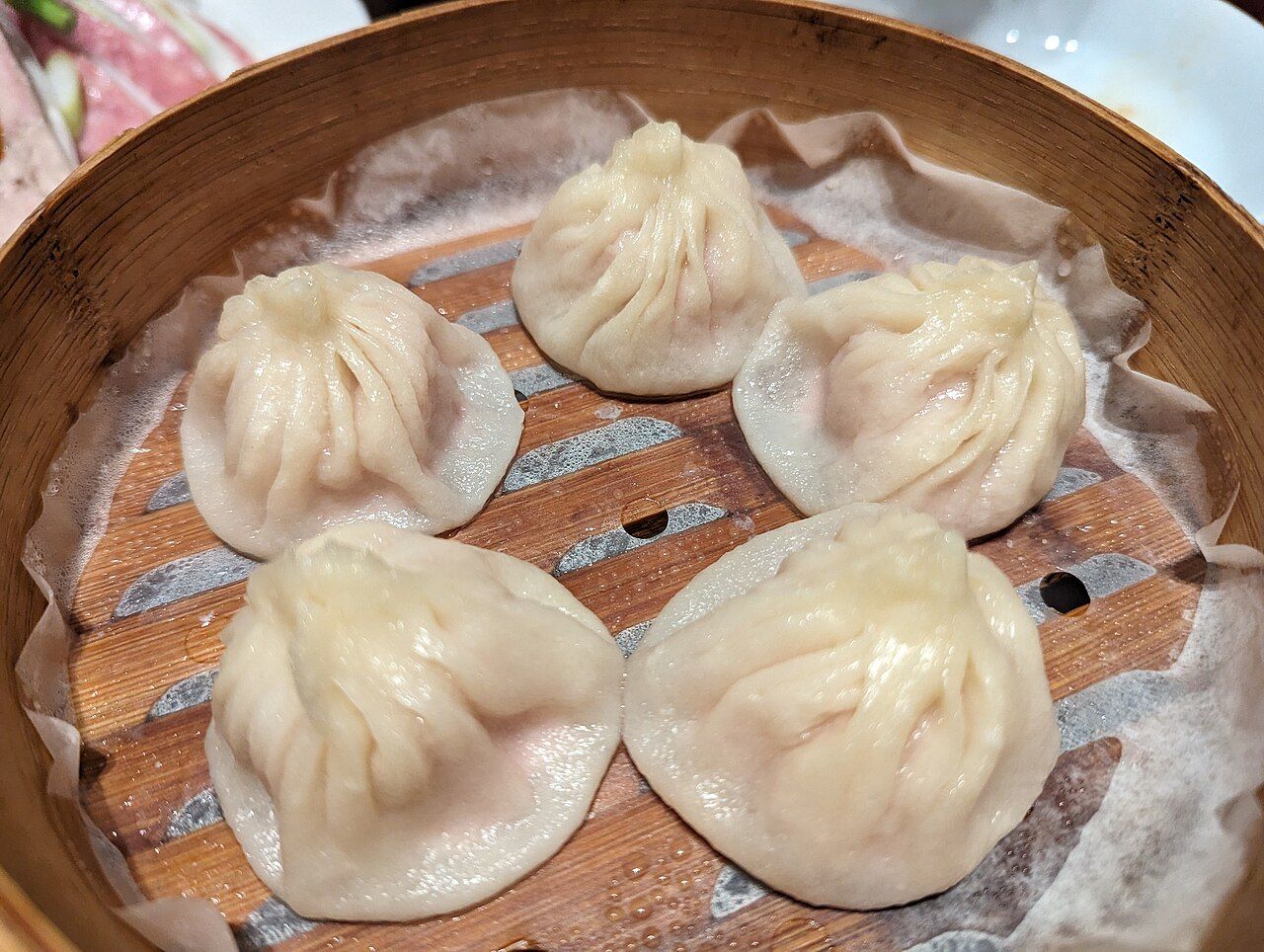
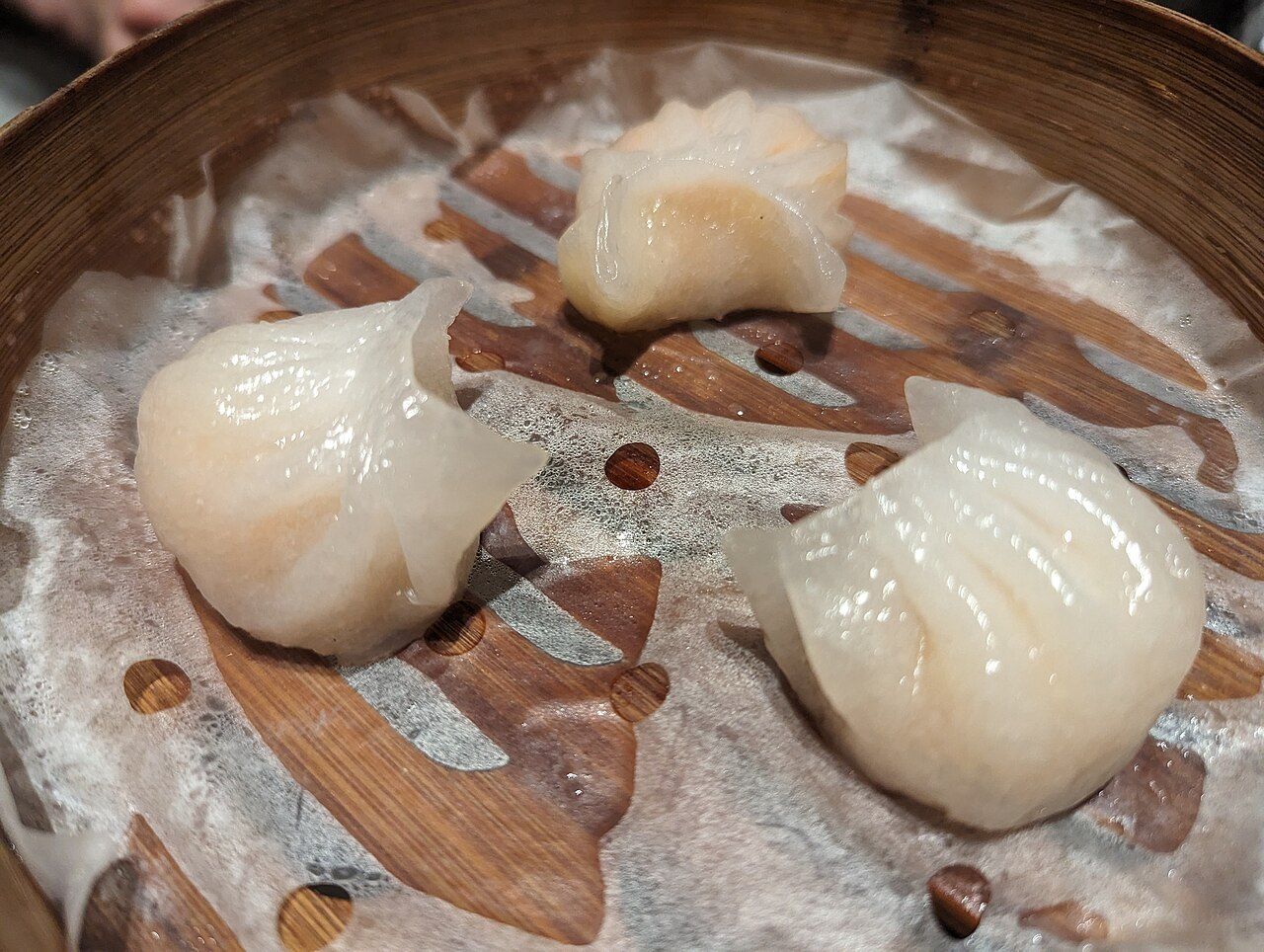
Dim sum, the mid-morning and lunch meal of small steamed and fried dishes, is a good place to practise. The guide to a week in Hong Kong has more on the city where it is a daily ritual.
Japan: your own tray
A Japanese meal often comes as a set: rice, soup, pickles and a main dish in separate bowls. Lift the rice bowl and the soup bowl towards you as you eat, and drink the soup directly from the bowl. Never pass food from your chopsticks to someone else's chopsticks. That gesture belongs to a funeral rite in which family members pass the bones of the cremated, so put the food on a small plate instead. When you take from a shared dish, some diners turn their chopsticks around and use the other end, though using serving chopsticks is simpler where they are provided.
Slurping noodles is accepted and even expected: it cools hot soba or ramen and signals that you are enjoying it. Many people say a short phrase of thanks before eating and another at the end. At a counter or a set meal, tipping is not part of the custom, and leaving money on the table can cause confusion.
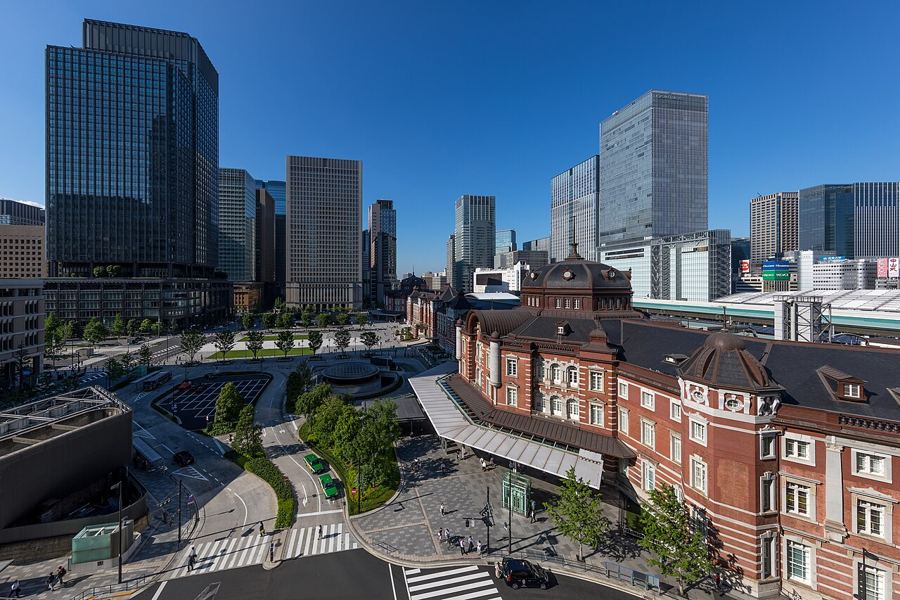 Change here for JapanTokyo by train, the slow way
Korea: spoon, chopsticks and side dishes
Korean tables set a long spoon beside metal chopsticks. The spoon is for rice and soup, the chopsticks for side dishes. Unlike in Japan, the rice bowl usually stays on the table rather than being lifted. The small side dishes, or banchan, are shared and often refilled; it is fine to ask for more of one you like.
Age shapes the table in Korea. Wait for the eldest person to start eating. When an elder pours you a drink, hold your glass with two hands; when you drink in front of an elder, it is polite to turn your head slightly to one side. Pour for others rather than yourself, and keep an eye on empty glasses around you. These gestures are learned through practice, and an attempt is always welcome.
A trip down to the old Silla capital of Gyeongju or a long evening in Seoul gives plenty of chances to practise.
Cold-weather eating
In winter, much of the region gathers around a pot. Chinese hot pot, Japanese nabe and Korean stews all put a bubbling dish in the centre of the table and invite everyone to cook and share. The courtesy is the same as at any shared dish: use the serving ladle or chopsticks if they are there, do not fish around for the best pieces, and keep your own bowl for eating. In Japan, convenience stores and street stalls sell hot simmered dishes through the colder months, and in Korea a bowl of rice in hot soup is a standard winter breakfast.
The guide to winter in East Asia covers heated floors, layers and Lunar New Year, when family tables are at their fullest.
When you are unsure
Watch what others do and follow them, especially the host. If you cannot manage chopsticks, ask for a spoon or fork: most places have one, and nobody will mind. Say thank you to the people who cooked and served the food. A slow, attentive meal with a few mistakes is more respectful than a fast one done with perfect form and no interest.