
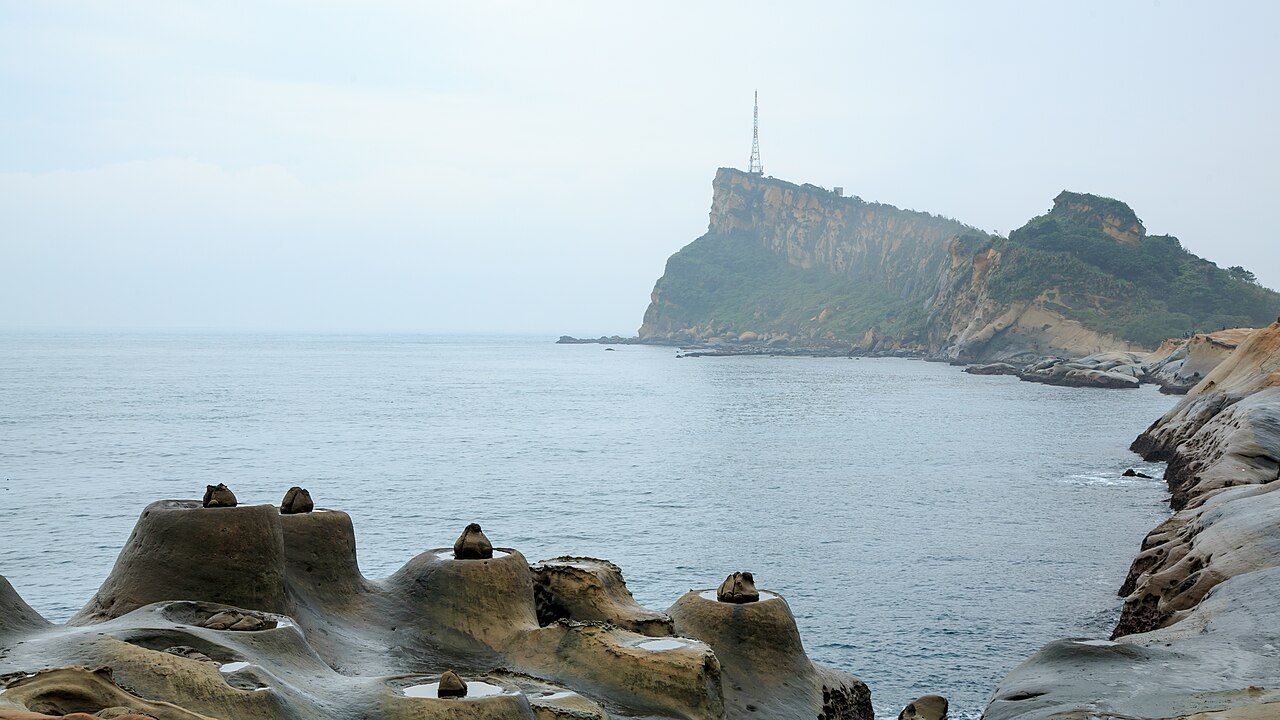
East of Taipei, the land rises into green, rain-washed hills that fall straight into the sea. This is the north-east coast, an area once dug for gold and coal and now visited for its views, its old mining towns and a little branch railway. It makes an easy day or two from the capital, and in good weather one of the most rewarding. This stop on the line covers the hill town of Jiufen, the Pingxi line and the rocks at Yehliu, and is plain about one of the area's best-known rituals.
Getting there from Taipei
The main gateway is Ruifang, a junction on the railway east of Taipei. Local and express trains run there often from Taipei Main Station. From Ruifang, buses climb to Jiufen, and the Pingxi branch line heads inland up a river valley. Direct buses also run from Taipei to Jiufen and to the coast. Rail fares on these routes can be paid with a stored-value transport card, which makes hopping on and off simple.
Weather matters here more than in Taipei. The north-east coast catches the winter monsoon, and from late autumn to spring it can rain for days on end. Summer is hotter but often clearer, with afternoon storms and typhoon warnings to watch. Pack for rain at any time of year, and check forecasts before you go.
Jiufen's lanes
Jiufen grew rich and crowded during a gold rush and declined when the mines closed. Today its old streets climb the hillside in a maze of steps and narrow covered lanes. The main old street runs along the slope, packed with stalls selling taro balls, fish balls and peanut sweets, and a long stairway crosses it, lined with old wooden teahouses hung with red lanterns. In the evening, when the lanterns are lit and the mist comes up from the sea, the town looks as it does in every photograph.
The lanes are very busy, especially on weekends and in the late afternoon. Arrive early in the morning or stay on after the day visitors leave, and wander the side paths, where homes and small shrines sit among the old buildings. Viewpoints at the edge of town look down over the coast and the harbour at Keelung. Nearby Jinguashi, a short ride away, preserves more of the mining history in a quiet museum park, with old miners' houses, a short tunnel and hillside walks above the sea. It sees far fewer visitors than Jiufen and makes a good contrast.
The Pingxi line
The Pingxi line is a single-track branch railway that runs up a narrow valley from the main line near Ruifang. It was built in the early twentieth century to carry coal, and now carries visitors and locals between small stations, including Shifen, Pingxi and Jingtong. The trains are slow and infrequent, which is part of the point: plan your stops around the timetable and enjoy the valley in between.
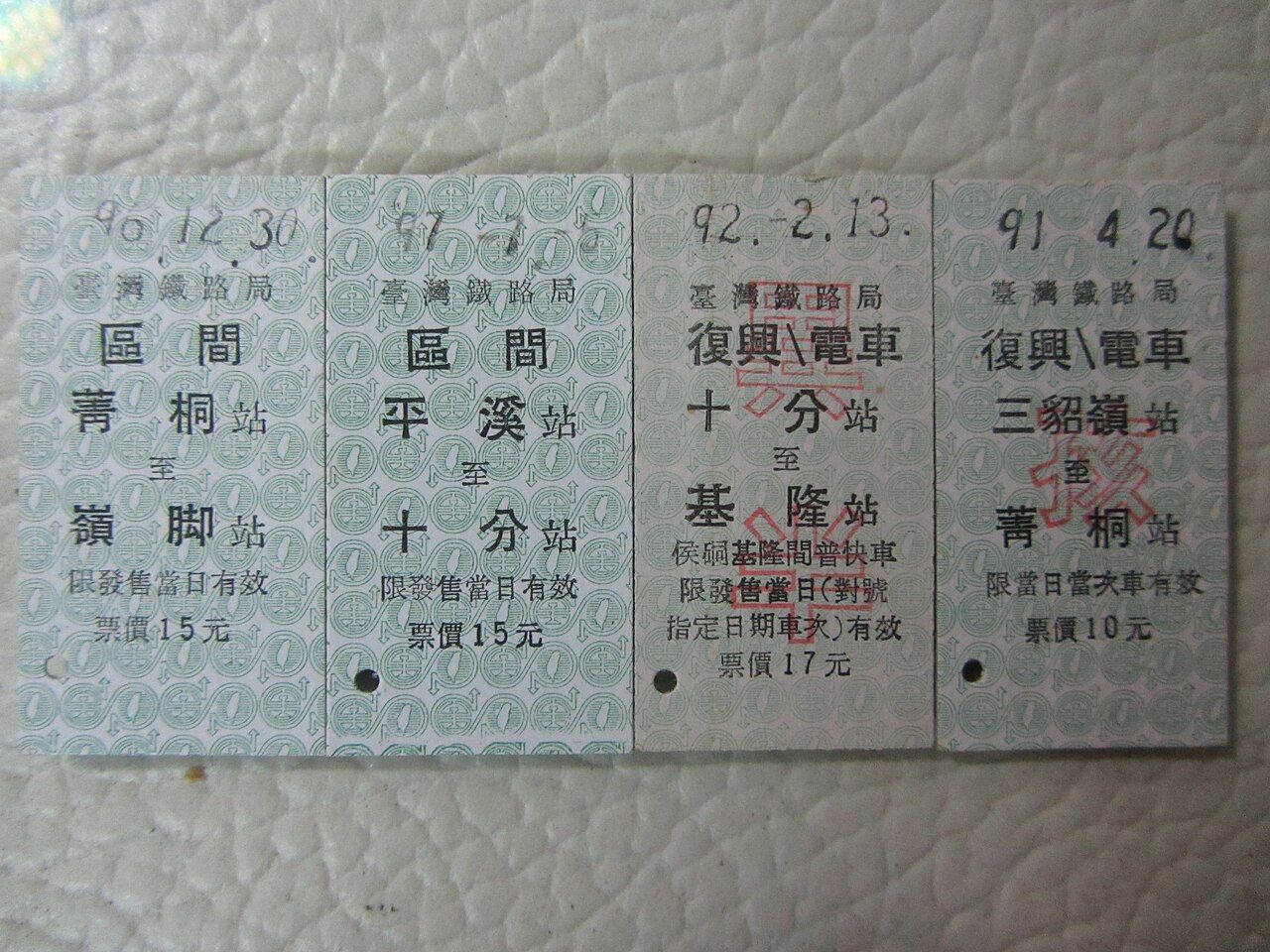
Shifen is the busiest stop. Here the line runs right down the middle of a street, between houses and shops, and people stand on the tracks between trains. When a train is due, staff and signals clear the line. Pay attention, step well back, and never stay on the track to take a photo. A short walk from the village, a wide waterfall drops over a rock ledge into a pool. Further up the line, Jingtong has an old station building, quieter streets and walking paths into the hills.
For more on how slow trains fit with fast ones, the guide to rail passes and high-speed trains covers the island's rail network. 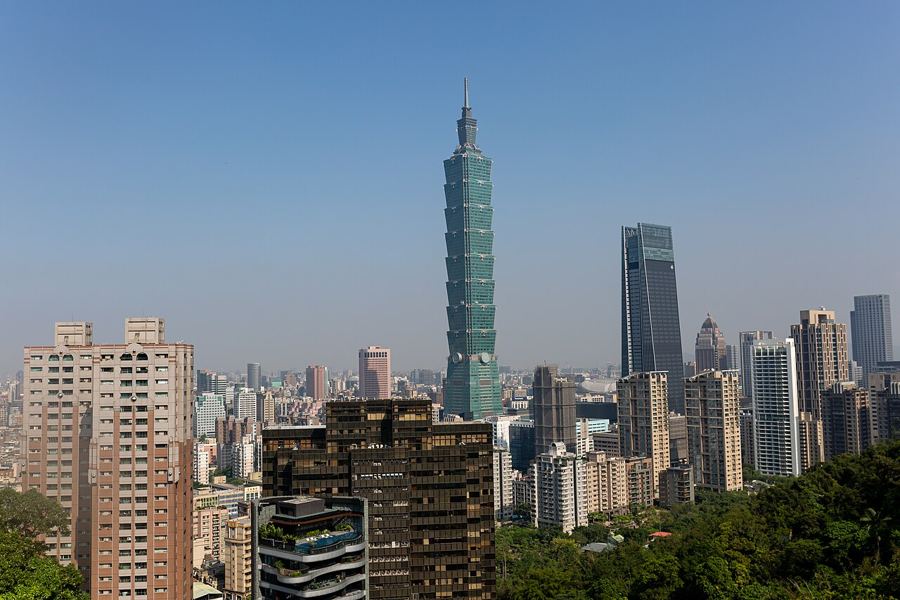 Change here for TaiwanTaipei by MRT and night market
Sky lanterns: the honest picture
Shifen and Pingxi are known for sky lanterns, paper lanterns that people write wishes on, light and release into the sky. The tradition is old and tied to the Lantern Festival, when the valley holds large celebrations. On ordinary days, lanterns are released from the tracks almost constantly.
It is worth knowing what happens next. The lanterns come down in the surrounding hills, forests and rivers, along with their wire frames and fuel. Much of this material is never recovered, and it litters the farmland and streams. Burning lanterns can also start fires, and the wire can harm animals. Efforts to collect the debris do not catch all of it. You may decide that watching is enough, or that you would rather write your wishes somewhere else. Rules about lanterns can change, so check what applies before you go.
Yehliu and the coast
On the north coast, the Yehliu Geopark is a cape of sandstone carved by wind and waves into strange shapes: round mushroom rocks, candle-like pillars and the famous profile known as the Queen's Head. The formations are fragile, and erosion continues every year. Walk the paths, stay behind the red lines, and do not touch or climb the rocks. The edges can be slippery, and big waves are dangerous.
The coast road between Keelung and the north cape passes fishing harbours, cliffs and small beaches. Buses link the main stops, and a slow day of hopping between them is easy to arrange.
Planning your days
A long day can cover Jiufen and the Pingxi line, but two days let you see them at quieter times. Stay a night in or near Jiufen for the evening and the early morning, then ride the Pingxi line the next day. Carry cash, wear shoes with grip for wet steps, and keep a dry layer in your bag. Back in the city, the guide to Taipei by MRT and night market picks up the story, and the guide to winter in East Asia covers the Lantern Festival season across the region.
Photographs on this platform
- Main photograph: CEphoto, Uwe Aranas, CC BY-SA 3.0
- Photograph: SSR2000, CC BY-SA 3.0