
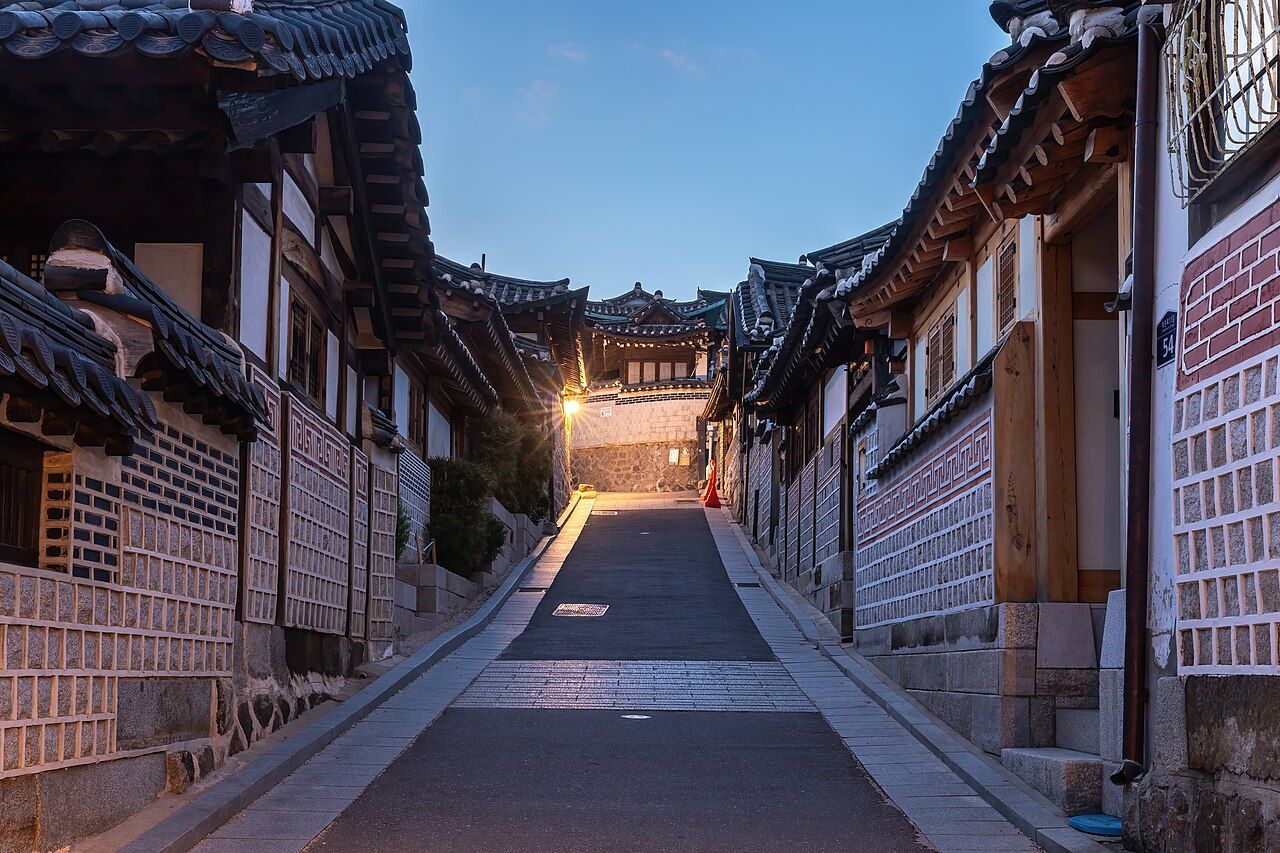
Seoul is a modern city of glass towers and fast trains, but at its centre, below the mountains to the north, it keeps the palaces of the Joseon dynasty that ruled Korea for five centuries. Around them, lanes of tiled wooden houses called hanok climb the slopes, and a few streets away a restored stream runs below the traffic. All of it is within walking distance of a few metro stations. This stop on the line spends two unhurried days among them.
Gyeongbokgung and the guard ceremony
Gyeongbokgung was the main royal palace of the Joseon dynasty, first built at the end of the fourteenth century. It was destroyed and rebuilt more than once, and much of what you see today has been carefully reconstructed in recent decades. The scale is the first impression: a great gate, broad stone courtyards and the throne hall, with the mountain Bugaksan rising behind it.
The changing of the guard at the main gate is a re-enactment of a royal ceremony, with guards in bright historical uniforms, drums and banners. It is held at set times on most days, and is free to watch. Beyond the main halls, the palace grounds open into gardens and ponds, including a pavilion that seems to float on a lotus pond. Many visitors wear hanbok, the traditional dress, rented nearby; you will see it everywhere in the palaces. Check opening days and ceremony times before you go, as they vary through the year.
Changdeokgung and the Secret Garden
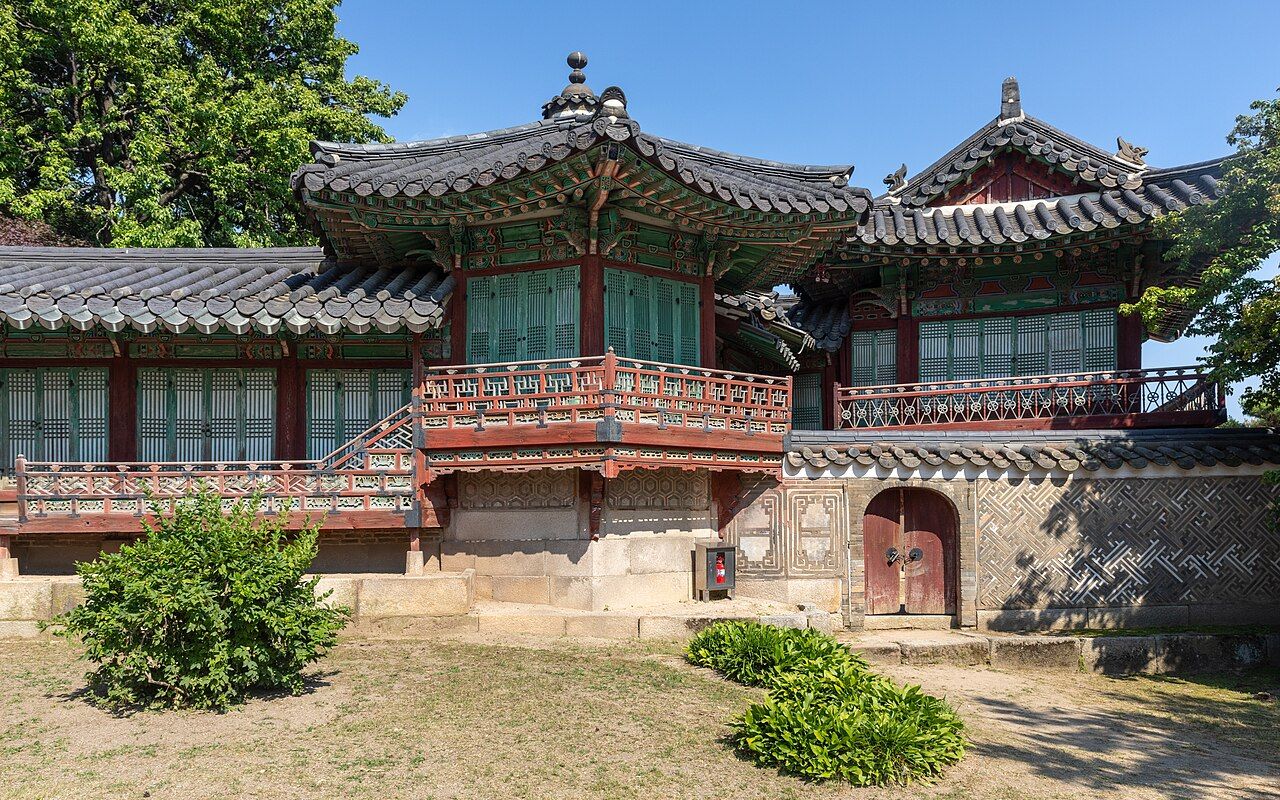
A short walk east, Changdeokgung was built as a secondary palace but became the favourite residence of many kings. It is listed as a World Heritage site, and its buildings follow the slopes and curves of the land rather than imposing a grid on them. The halls are smaller and the paths more intimate than at Gyeongbokgung, with old trees shading the courtyards.
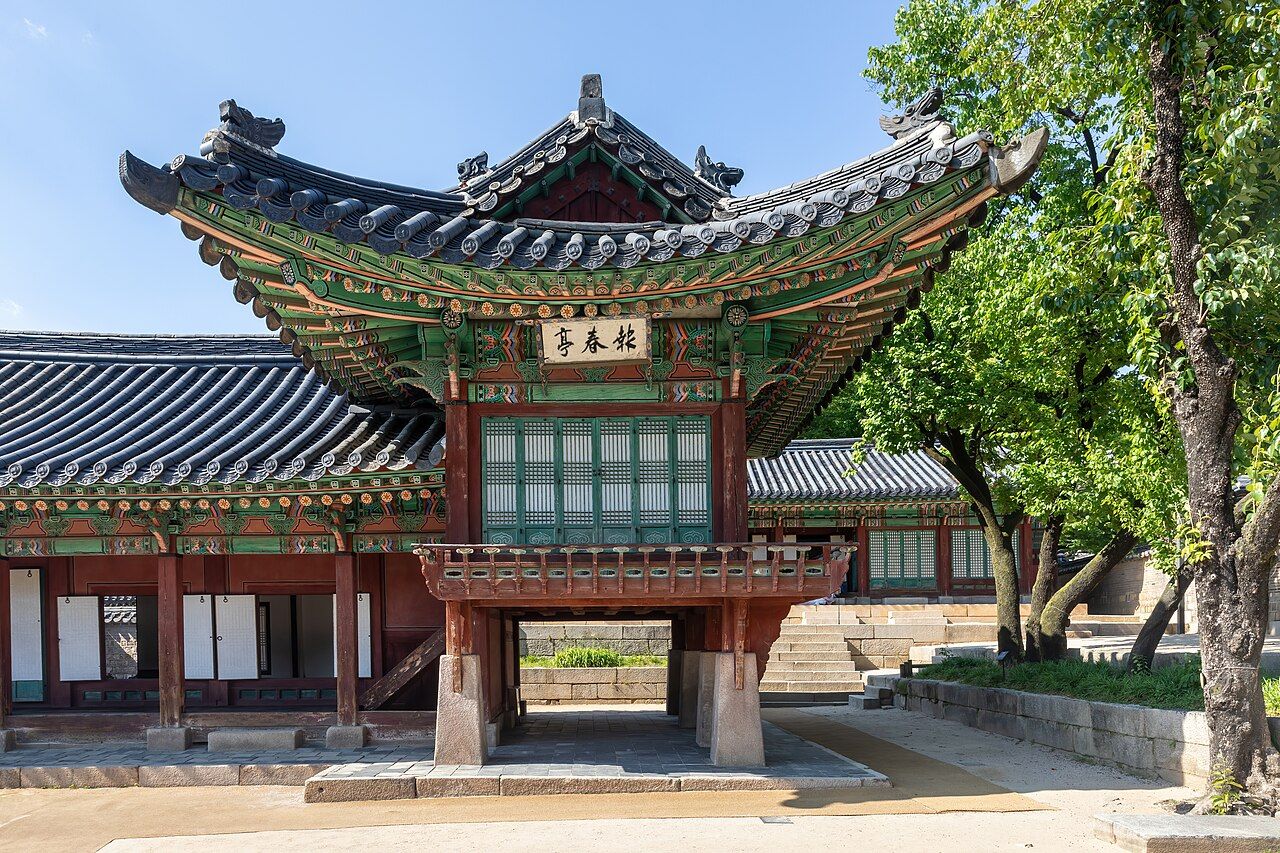
Behind the palace lies the Secret Garden, a wooded valley with ponds, pavilions and a library hall once used by the royal family. Entry is by guided tour only, and numbers are limited, so tours can sell out. Book ahead where possible and check languages and times before you go. In autumn, when the maples turn, the garden is at its finest.
Bukchon is not an open-air museum, and the people who live there have made that clear.
Bukchon: lanes and manners
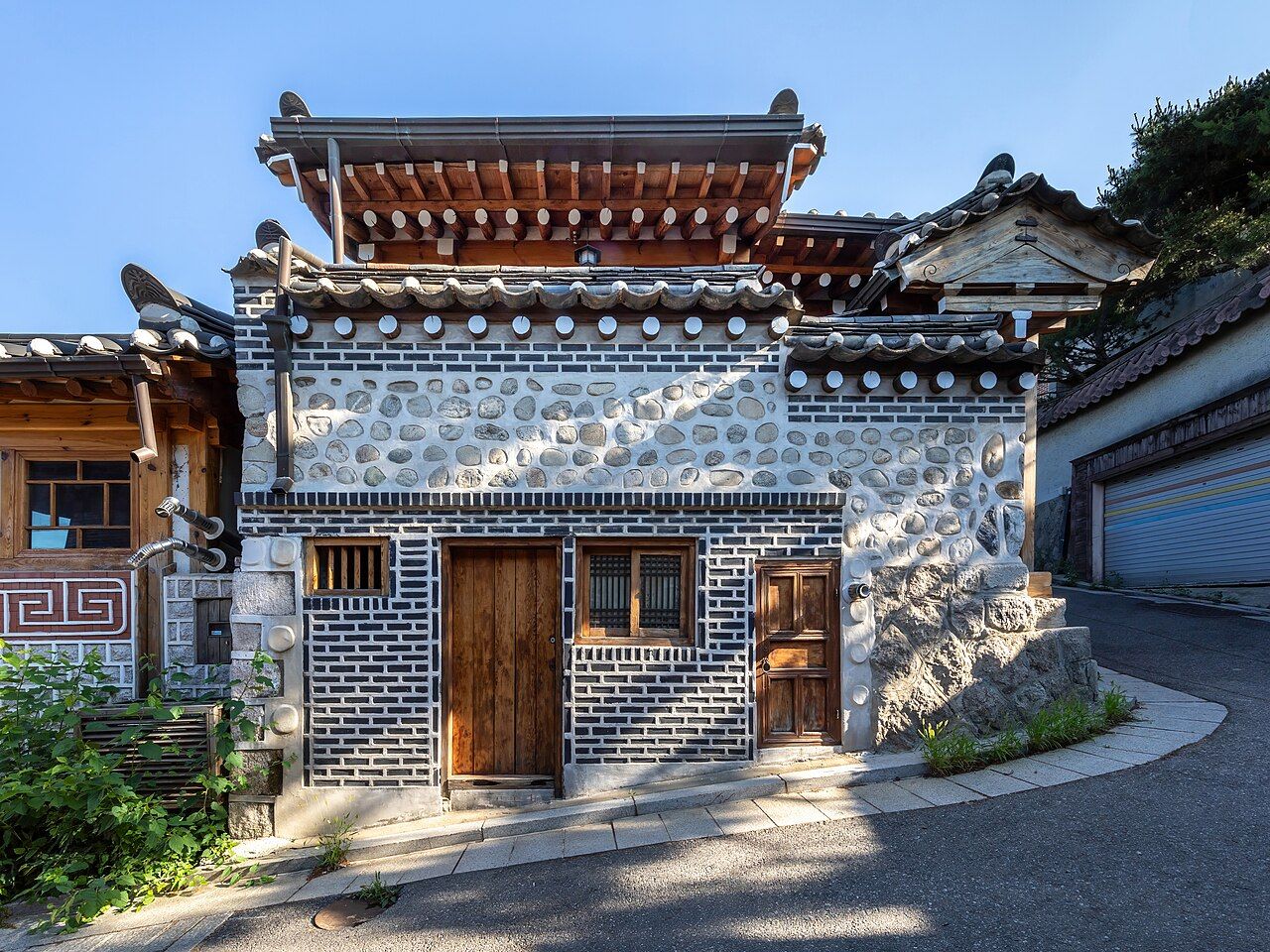
Between Gyeongbokgung and Changdeokgung, the district of Bukchon climbs the hill in a grid of narrow lanes lined with hanok. These houses have curved tiled roofs, wooden beams and walls of stone and plaster, and many are still family homes. The views down the lanes towards the city are lovely, especially early in the morning or at dusk. 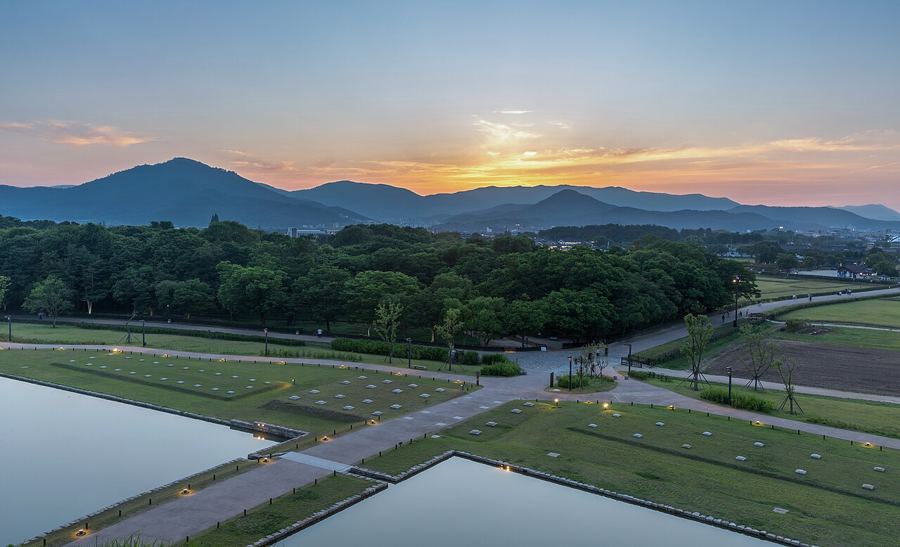 Change here for KoreaGyeongju, the museum without walls
Bukchon is not an open-air museum, and the people who live there have made that clear. Years of crowds, noise and photography outside front doors led the local authorities to limit visiting hours in the busiest parts of the district, with signs and staff to remind visitors. Respect them. Walk quietly, keep groups small, do not open gates or peer into homes, and do not sit on doorsteps for photos. The lanes reward a slow, quiet visit far more than a rushed one. Small museums and craft workshops in the district open their doors to visitors, and these are the places to go inside, rather than the private homes. Early morning, before the day groups arrive, is when Bukchon feels most like the neighbourhood it still is.
Below Bukchon, the streets of Insadong and Samcheong-dong are lined with galleries, craft shops and tea rooms, and are good places to pause between palaces.
The Cheonggyecheon stream
For decades, the Cheonggyecheon stream was buried beneath a road and an elevated highway. In the early 2000s the highway was removed and the stream restored as a long, sunken walkway, opened in 2005. It now runs east through the centre of the city for several kilometres, with stepping stones, small waterfalls, bridges and planted banks.
It is a pleasant way to walk between districts, cooler than the streets above and quieter despite the traffic overhead. In the evenings, lights along the banks make it a popular place for a stroll. Follow it east, and you reach the busy traditional market area around Dongdaemun. The guide to chopsticks and table manners covers the Korean table, with its spoon and shared side dishes, before you sit down to eat.
More palaces and the royal shrine
Gyeongbokgung and Changdeokgung are the best known, but Seoul has five royal palaces in all. Changgyeonggung, joined to Changdeokgung by a gate, has a large pond and an old glasshouse in its grounds, and is usually quieter than its neighbours. Deoksugung, beside City Hall, is the most surprising: traditional wooden halls stand next to stone buildings in a European style from the early twentieth century, when Korea was opening to the wider world. The stone-walled road that runs around it is one of the city's favourite walks, especially in autumn. Gyeonghuigung, to the west, is small and rarely crowded.
Between the palaces, Jongmyo is the royal ancestral shrine, where the spirit tablets of Joseon kings and queens are kept in long, plain halls of extraordinary dignity. It is listed as a World Heritage site, and an ancient ritual with court music is still performed there each year in spring. The shrine is quieter and more restrained than the palaces, and worth an hour of its own. Some sites are visited by guided tour at certain times, so check the arrangements before you go.
Planning two days
Seoul's palaces are spread out but close together, and a combined ticket for several of them has been available for many years; check what it covers before you buy. A good plan is Gyeongbokgung on the first morning, with the guard ceremony and the palace museums; then Bukchon in the late afternoon, quietly. On the second day, start at Changdeokgung and the Secret Garden, then walk down to Cheonggyecheon for the evening.
Spring, when cherry trees bloom in the palace grounds, and autumn, when the maples and gingkoes turn, are the finest seasons. Summer is hot and humid with a rainy season, and winter is cold and dry but often clear. Each palace closes on one day of the week, which differs between them, so check before you go.
From Seoul, the KTX reaches the rest of the country quickly; the guide to rail passes and high-speed trains covers the options, and the old Silla capital of Gyeongju makes a natural next stop. In cold months, the guide to winter in East Asia explains the heated floors you will meet in Korean rooms.
Photographs on this platform
- Main photograph: Basile Morin, CC BY-SA 4.0
- Photograph: Basile Morin, CC BY-SA 4.0
- Photograph: Basile Morin, CC BY-SA 4.0
- Photograph: Basile Morin, CC BY-SA 4.0