
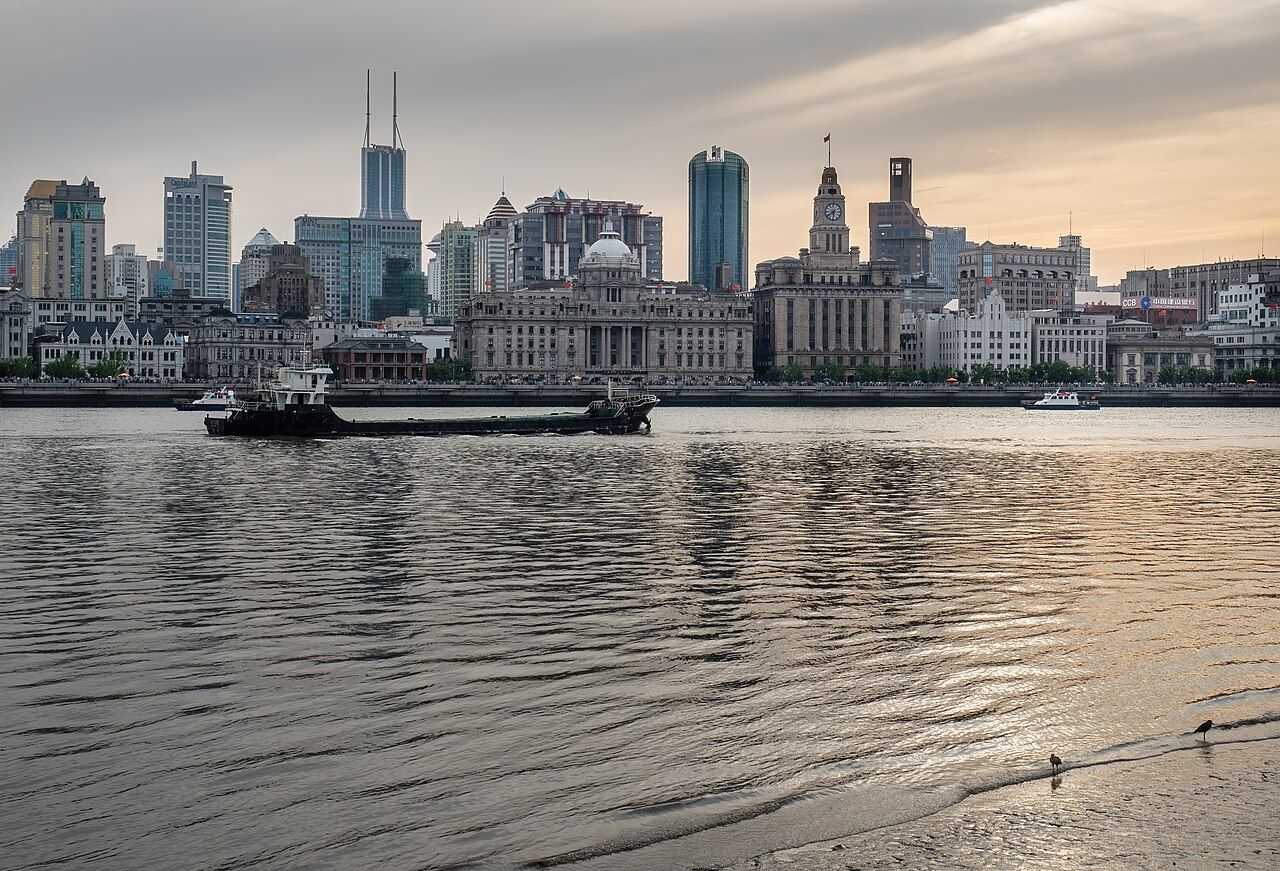
Shanghai grew from a walled county town into a great trading port in the nineteenth century, and the city still shows every layer of that history. The Bund, a curving riverfront of banks and trading houses, faces the towers of Lujiazui across the Huangpu River. Behind the Bund lie lanes of shikumen houses, old gardens and tree-lined streets. The metro links everything, but the best of the city is seen on foot.
The Bund at night and at dawn
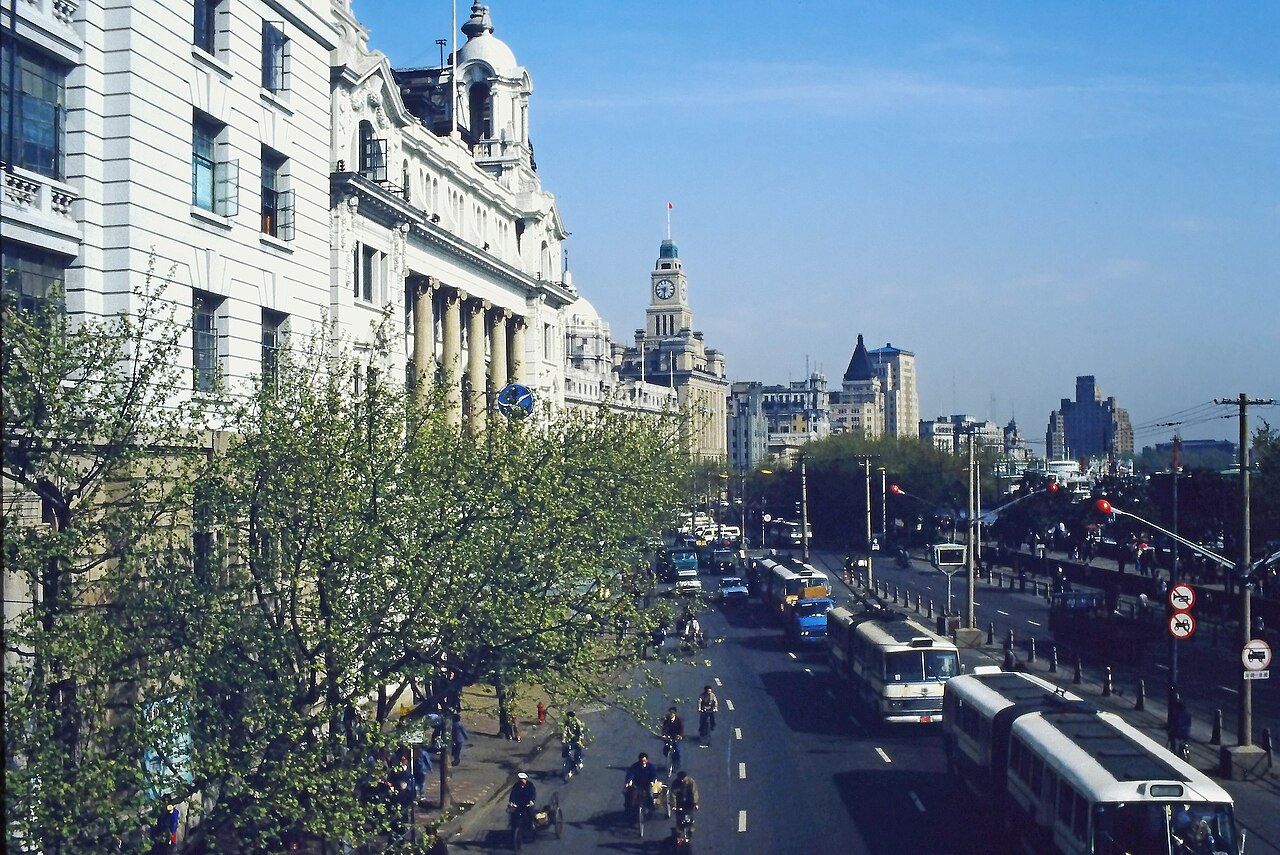
The Bund runs along the western bank of the Huangpu, a promenade raised above the road with a row of grand stone buildings behind it. Many date from the early twentieth century, in styles from neoclassical to Art Deco, and they once housed banks, trading companies and consulates. Today they hold offices, galleries and hotels.
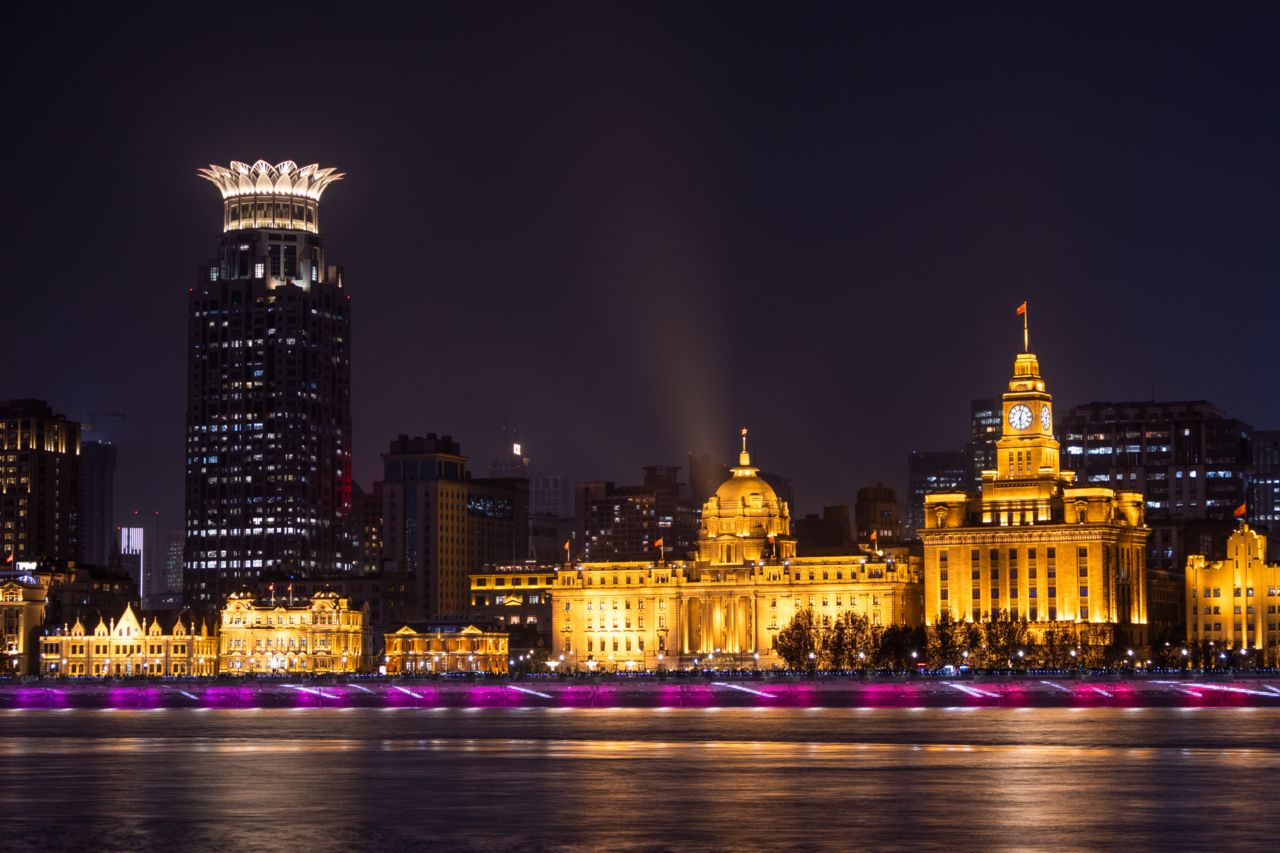
Come twice. In the evening, the buildings are floodlit and the river traffic glows, with the towers across the water lit in changing colours. The lights switch off late in the evening, at times that vary, so check before you go. Then return early in the morning, when the promenade belongs to joggers, kite flyers and groups practising tai chi. The light is soft, and the place feels like a part of the city rather than a stage.
The light is soft, and the place feels like a part of the city rather than a stage.
Across the river to Lujiazui
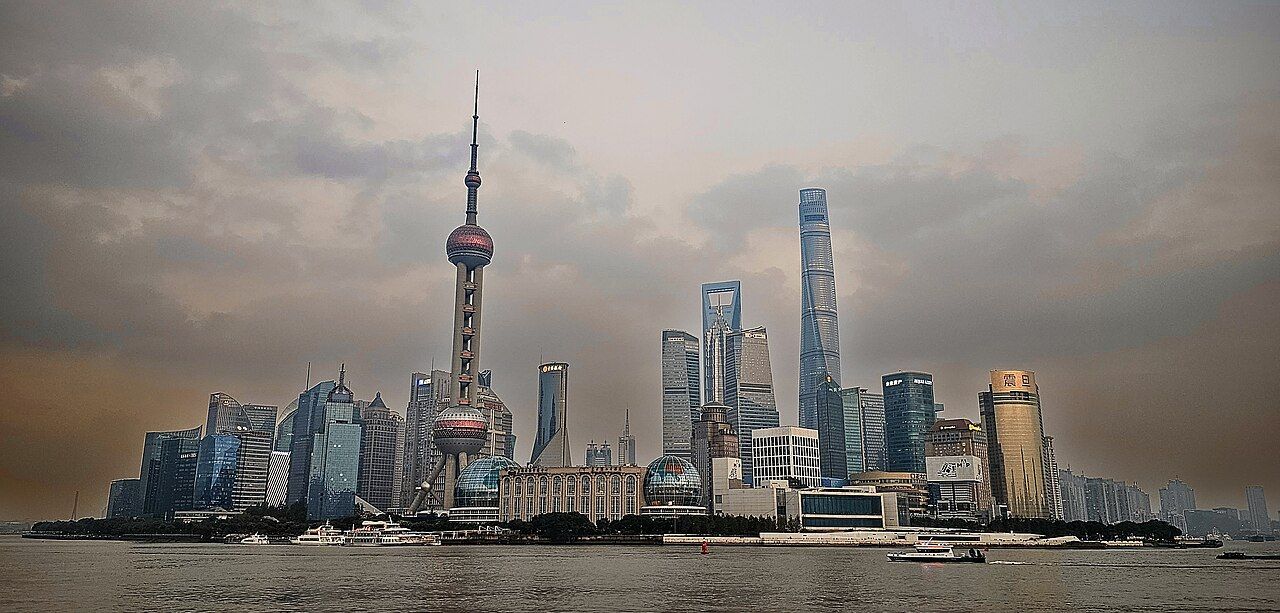
Lujiazui, in Pudong on the eastern bank, was mostly warehouses and farmland until the 1990s. It is now Shanghai's financial district and one of the most recognisable skylines in Asia. The Oriental Pearl Tower, with its pink spheres, stands beside a cluster of skyscrapers that includes the Shanghai Tower, the tallest building in China.
The simplest way across is the public ferry, which runs regularly between the two banks at very low cost. Metro Line 2 also connects the Bund area with Lujiazui. Observation decks in the towers charge for entry and fill up at sunset; on a hazy day, the view from the Bund is often better.
On the Pudong side, a raised walkway links the main towers above the traffic, and a riverside promenade faces back towards the Bund. It is the best place to see the old waterfront as a whole, especially in the hour before sunset, when the stone buildings turn gold. Walk south along the river for a quieter stretch of parkland and old wharves converted into public space.
Shikumen lane houses
Shikumen, meaning stone-gate houses, are the city's traditional homes. Built from the late nineteenth century, they combine Chinese courtyard layouts with Western terrace rows, set along narrow lanes, called lilong or longtang, branching from the main streets. Each house is entered through a stone frame and heavy black wooden doors. At their peak, most Shanghai families lived in them.
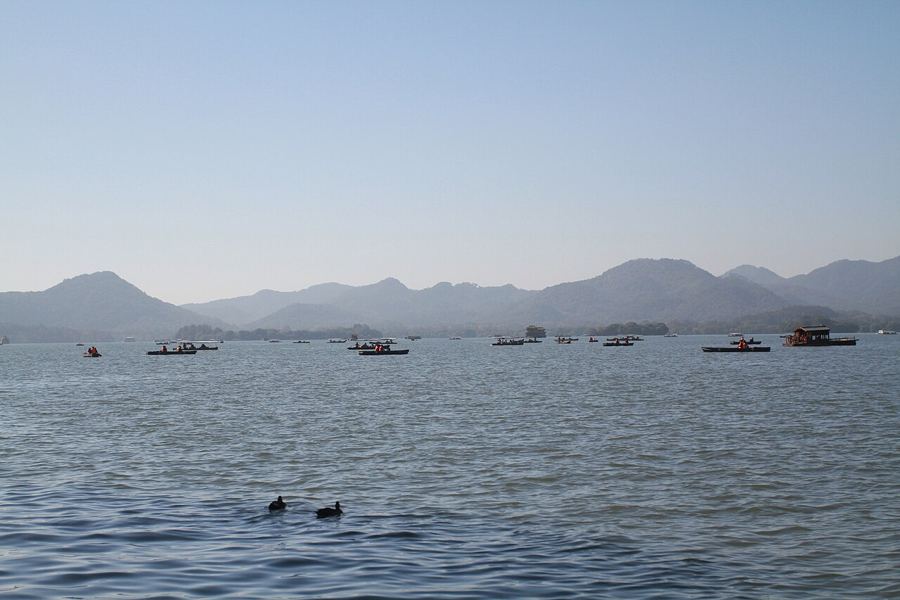 Change here for ChinaHangzhou's West Lake and the Longjing tea hills
Many lanes have been redeveloped. Some have become shopping and dining areas, while others remain homes, with laundry strung overhead and neighbours chatting in the doorways. Walk respectfully if you enter a residential lane. People live here, and photographing someone's front room through an open door is unwelcome. Look for the carved lintels above the doors and the narrow upper windows.
Some lanes are kept as museums or cultural sites, and a few houses are open to visitors. Elsewhere, look for the tiny rooms above the kitchens, known as tingzijian, which were often rented out to students and writers in the early twentieth century. The lane system is easy to get lost in, but it always leads back to a main road within a few minutes. Early morning is the best time to see daily life: people carrying vegetables home from markets, breakfast stalls frying dough sticks and pancakes, and older residents airing bedding on bamboo poles.
Yu Garden and the old city
Yu Garden, in the old walled city, is a classical garden laid out in the Ming dynasty, with rockeries, ponds, pavilions and covered walkways. Its rockeries are built from strange, eroded stones prized by garden makers, and walls with moon gates divide the space into small rooms, so that each turn reveals a new view. It is small and often crowded, so go at opening time. The bazaar around it is busy and commercial, while the streets further south and west of the garden still hold traces of the old city's markets and temples.
Nearby, the City God Temple is a working temple in the middle of the bazaar. Visit with the same respect you would show at any place of worship.
The old city was once enclosed by a wall, demolished in the early twentieth century; its line is now traced by a ring of roads. Wander south-west from Yu Garden and the commercial streets give way to older residential blocks, though redevelopment continues here, and what you see may not be there on your next visit.
The French Concession on foot
The former French Concession, west of the centre, is known for its plane trees, villas and apartment buildings from the 1920s and 1930s. Walk along Wukang Road, Hengshan Road and the lanes between them. The district is pleasant at any time of day, with small parks and residential streets that feel far from the riverfront.
Many of the area's houses have plaques describing their history and former residents. Some are now museums, and the residential side streets hold a great variety of architecture, from Spanish-style villas to small apartment blocks with Art Deco details. Late afternoon, when the light comes through the plane trees, is the best time to walk here.
From here, the city's metro reaches the rest of Shanghai quickly. If you are travelling onwards by rail, our guide to high-speed trains in East Asia covers how China's real-name tickets work, with your passport.
Practical notes, and the tea-house scam
A long-standing scam targets visitors around the Bund, Nanjing Road and People's Square. Friendly people, often speaking good English and posing as students or tourists, suggest you join them for tea, a drink or an art exhibition. At the end comes a bill for a huge amount. Politely decline invitations from strangers, and if you want tea, choose your own place.
- Carry your passport. It is needed for train tickets, hotel check-in and some museums.
- Mobile payment is used almost everywhere. Set up a method that works for foreign visitors before you travel, and carry some cash as a backup.
- Visa rules for China change, including transit options. Check before you go.
- Summers are hot and humid with heavy rain; spring and autumn are the most comfortable seasons.
Shanghai rewards a slow pace, with its best scenes found at the edges of the day and down the side lanes. High-speed trains run onward to Hangzhou's West Lake in around an hour, and, on the fastest trains, to Beijing in under five.
Photographs on this platform
- Main photograph: Ermell, CC BY-SA 4.0
- Photograph: Maple Doctor, CC BY-SA 4.0
- Photograph: Jan Kranendonk ( ), CC0
- Photograph: CHMunro, CC BY 4.0