
Hong Kong packs a great deal into a small space: a deep harbour, steep islands, some of the densest streets on earth and country parks covering much of the land. A week gives you time to see it without rushing, and to discover that the most memorable parts are often the ways of getting around. The ferry, the tram and the hiking trail each show you a different city. This stop on the line takes them one at a time.
The harbour by Star Ferry
The Star Ferry has crossed Victoria Harbour between Tsim Sha Tsui and Central since the late nineteenth century, and the green-and-white boats remain the best-value view in the city. The crossing takes only a few minutes. Sit on the open side, watch the skyline of Hong Kong Island grow in front of you, and notice the working harbour around you: barges, ferries to outlying islands, and the occasional junk with red sails.
Take the ferry at different times of day. Mornings are clear and calm before the haze builds; evenings bring the lit towers and the busy commuter rush. On the Kowloon side, the waterfront promenade is a long, easy walk. On the island side, the ferry piers connect to raised walkways that carry you over the traffic into Central.
From Central, walk west into Sheung Wan, where the streets turn older and steeper. Shops selling dried seafood, herbs and tea line the lanes near the waterfront, and Man Mo Temple, built in the nineteenth century and dedicated to the gods of literature and war, fills with the smoke of great coils of incense hanging from its ceiling. Above Central, a long chain of covered outdoor escalators and walkways climbs the hillside towards the Mid-Levels, carrying commuters downhill in the morning and uphill for the rest of the day. Riding it up and wandering back down through the side streets is an easy way to see how the city clings to its slopes.
The Peak and the trams
The Peak Tram has hauled passengers up the steep slope to Victoria Peak since the 1880s, at angles that press you back into your seat. At the top, the circular walk around the summit roads is flat, shaded and far quieter than the viewing terraces. It looks down on the harbour from every side. Go on a clear day, and be ready to change plans if cloud sits on the hill.
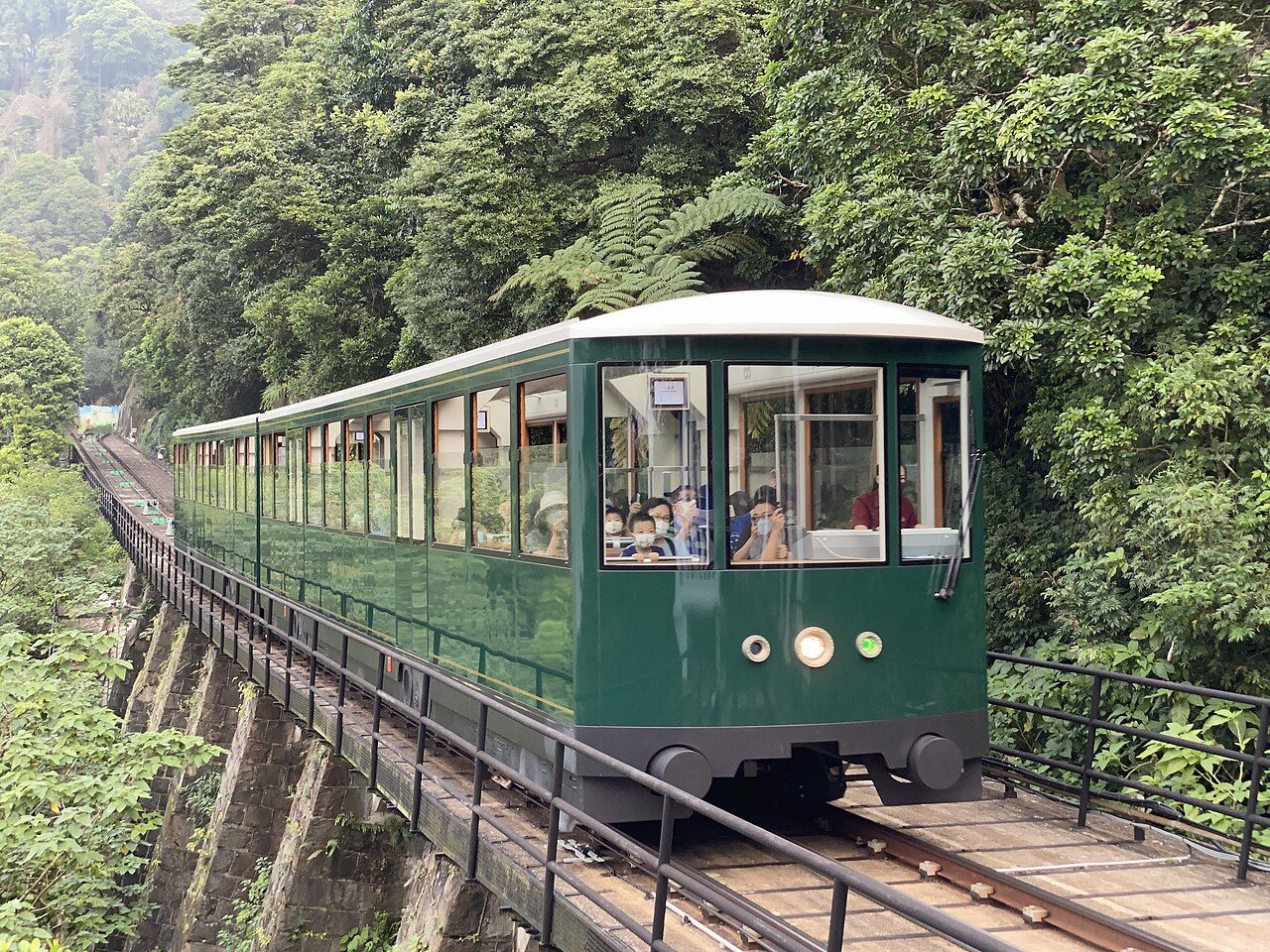
Down at sea level, the double-deck trams run along the north shore of Hong Kong Island from Kennedy Town to Shau Kei Wan. They are slow, cheap and wonderful. Climb to the upper deck, take a front seat, and ride the whole line, watching shops, markets and old tenement blocks pass at window height. Board at the back, pay when you leave at the front, and hop off wherever a street looks interesting.
Kowloon markets
Kowloon is where Hong Kong's street life is densest. Around Mong Kok, whole streets specialise: one for goldfish in hanging bags, one for flowers, one for birds and cages, one for clothes and trinkets in the evening. Further south, the night market around Temple Street fills with stalls, fortune tellers and open-air cooking after dark. Haggling is normal at the clothes and souvenir stalls, less so where prices are marked. Keep it good-humoured, agree the price before anything is wrapped, and walk away politely if it does not suit you. The streets are crowded in the evening, so keep bags zipped and in front of you, and step aside to the edge of the pavement when you stop to look.
The food is reason enough to walk these streets: roast meats hanging in windows, egg waffles from street stalls, congee and noodles at plain tables. The guide to chopsticks and table manners covers the habits of a shared Cantonese table, including the quiet finger tap that says thank you for the tea.
Trails and the Big Buddha
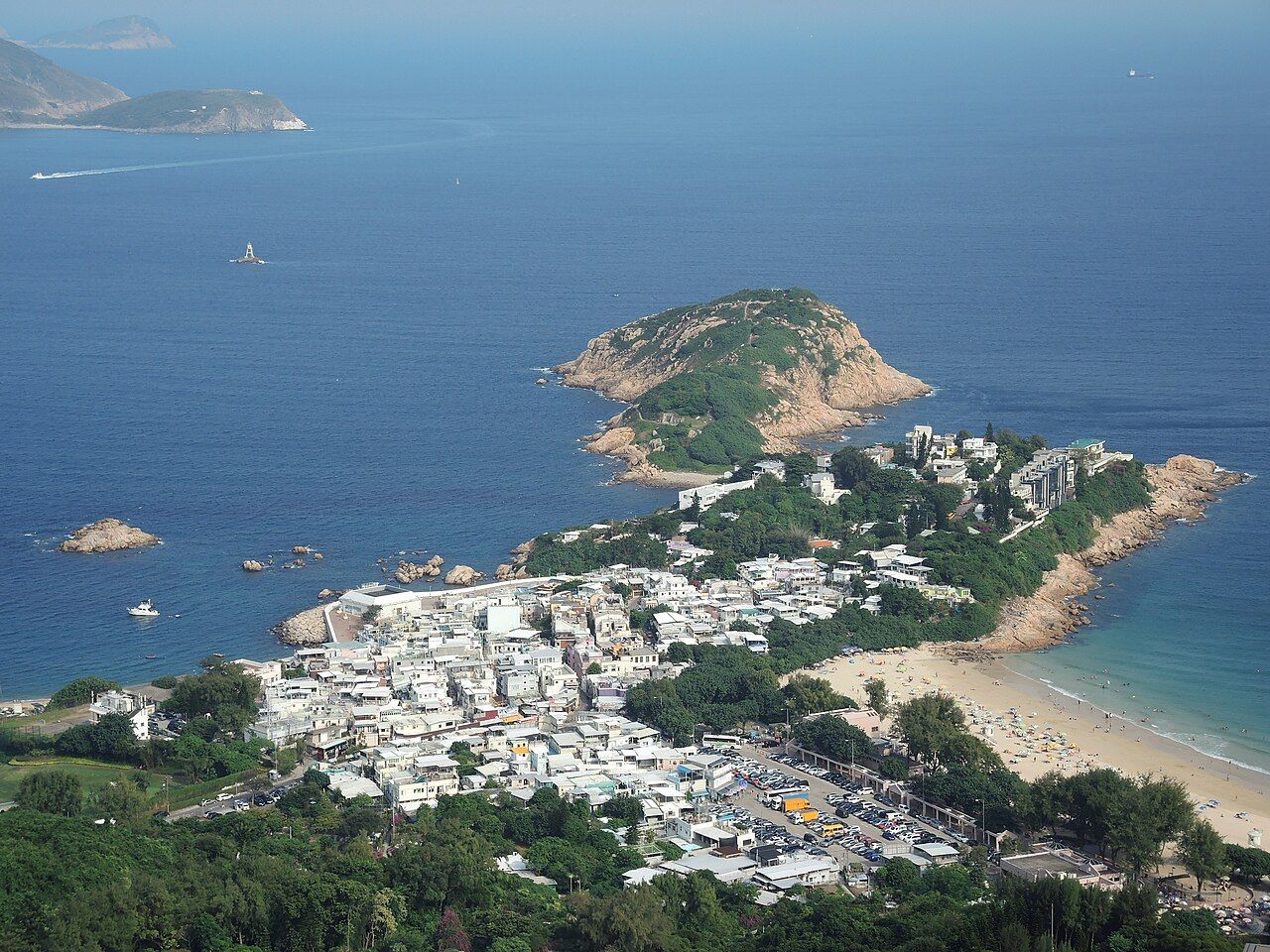
Hong Kong's country parks are close and well marked, and a week here should include at least one walk. 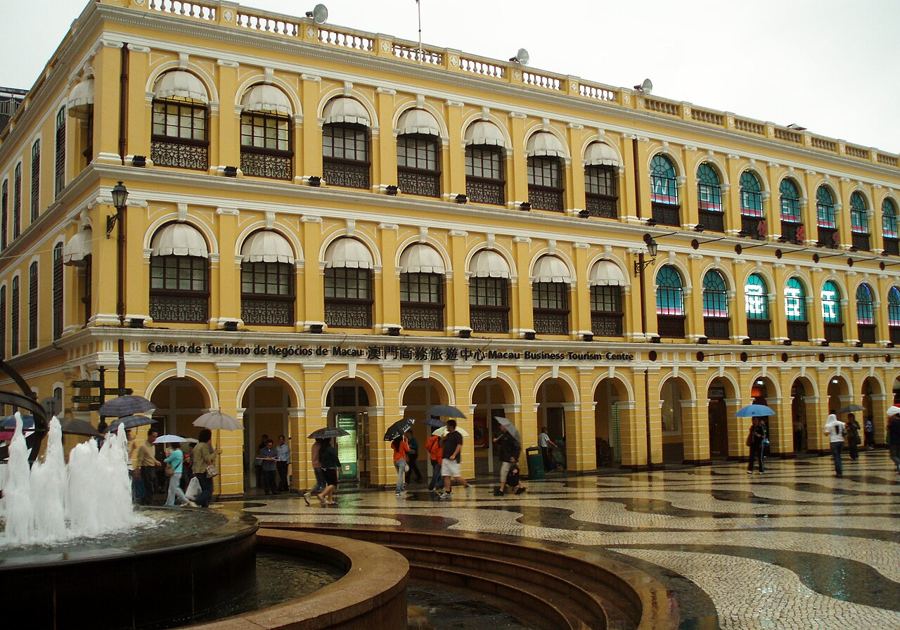 Change here for Hong Kong and MacauMacau beyond the casinos The Dragon's Back, a ridge on the south-east of Hong Kong Island, is the classic: a steady climb onto a grassy crest with views over the sea and Shek O, then a long descent through woodland towards the beaches at Big Wave Bay. Start early, carry plenty of water, and avoid the ridge in heavy heat or when storms threaten.
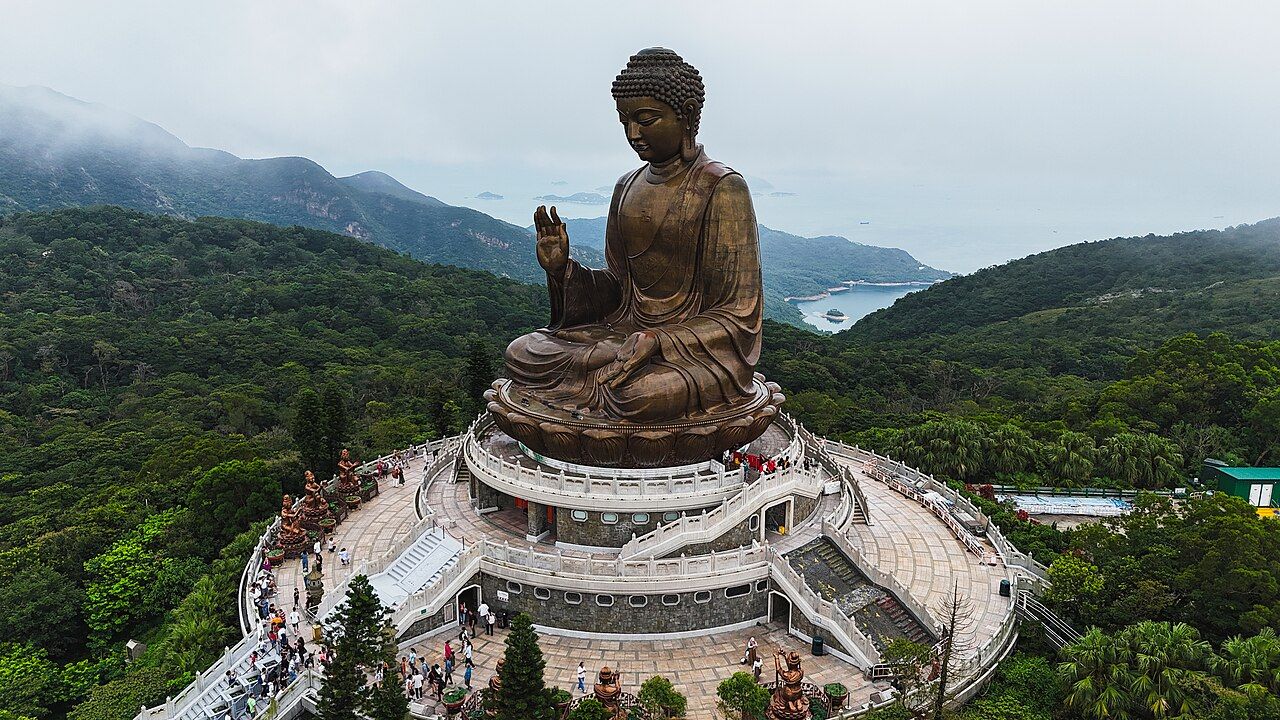
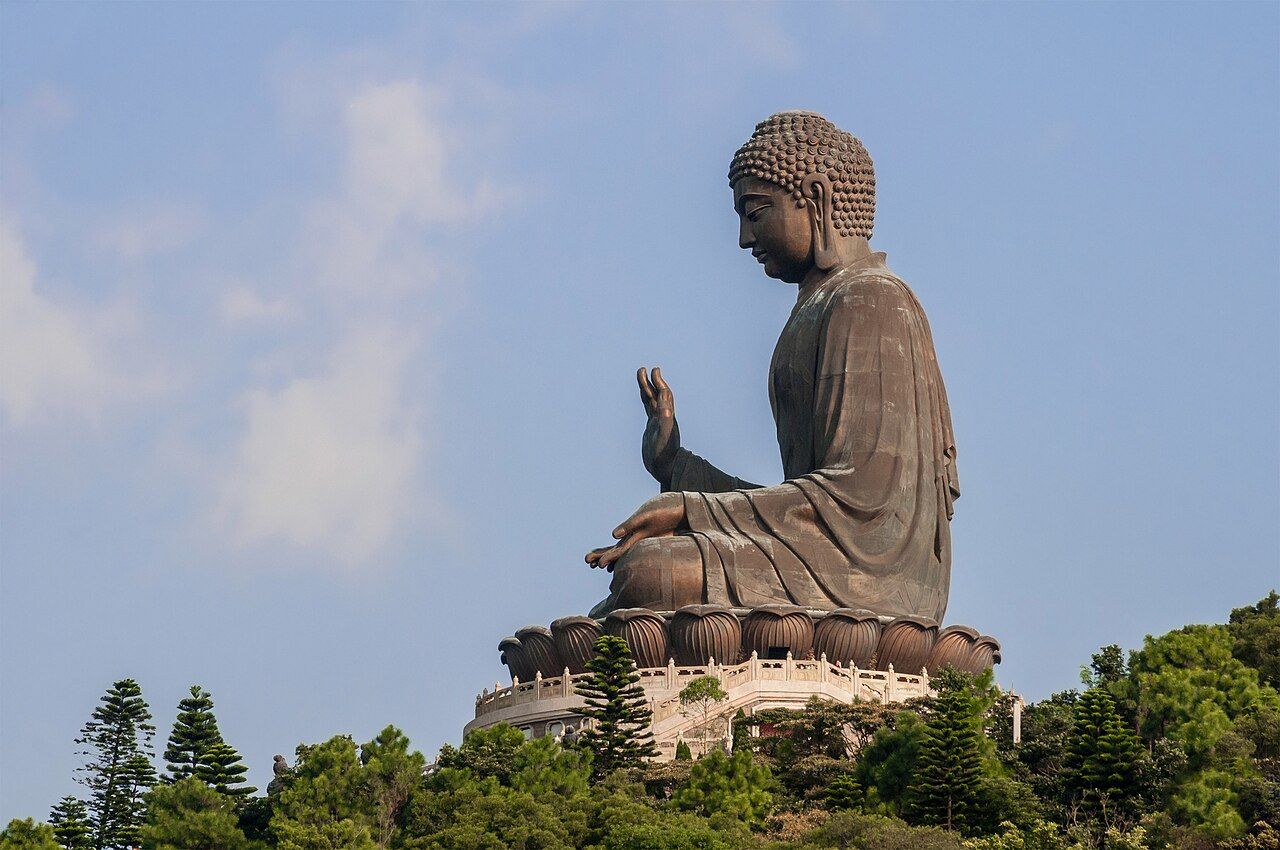
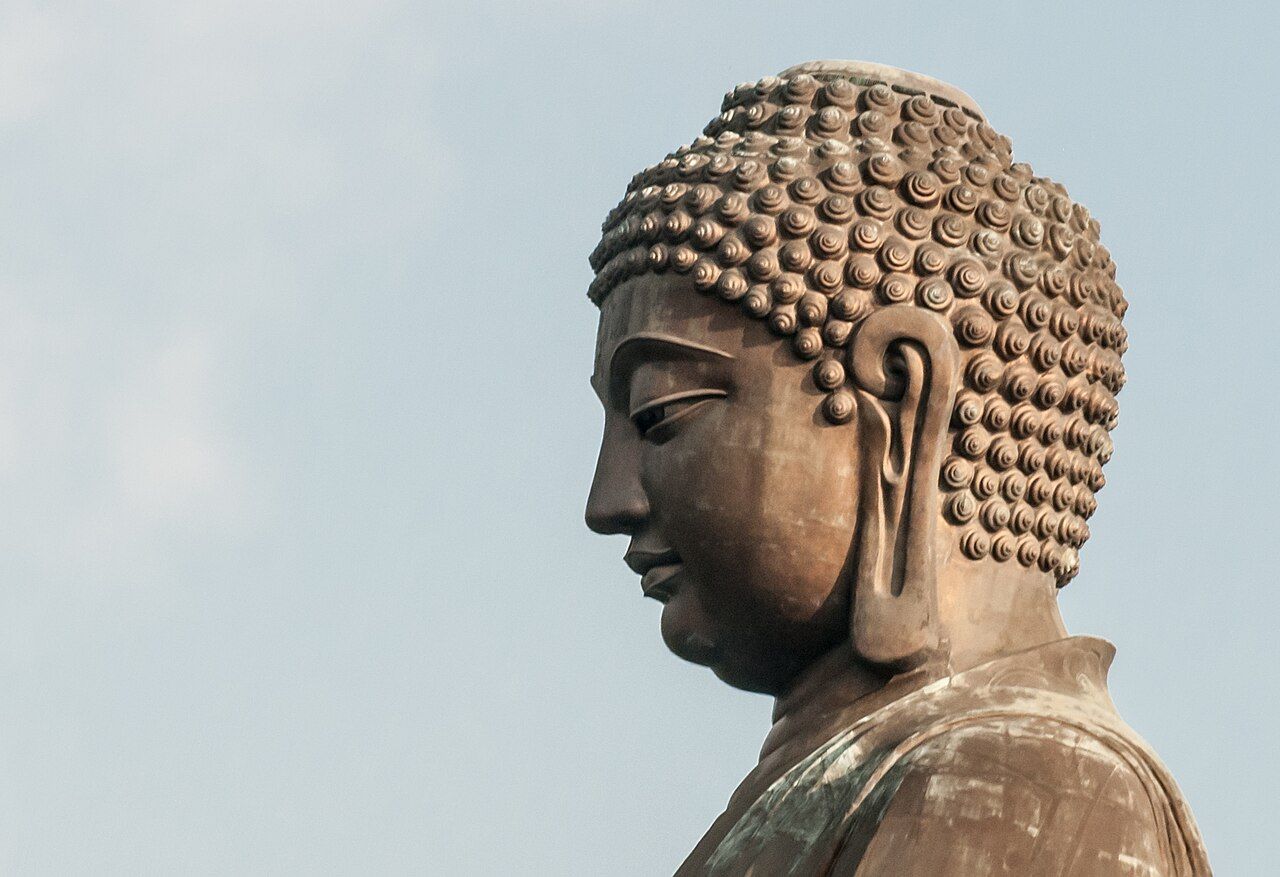
On Lantau Island, the Tian Tan Buddha sits on a hilltop at Ngong Ping. The great bronze statue was completed in 1993, and a long flight of steps leads up to its base. Beside it, Po Lin Monastery is an active place of worship, so dress modestly and keep voices low. You can reach Ngong Ping by cable car from Tung Chung or by bus. On a fine day, the walk around the plateau adds trails, forest and sea views; in fog, the Buddha appears and disappears in the cloud. On the island's western coast, a bus ride away, the fishing village of Tai O is built partly on stilts over a tidal creek, with dried fish and shrimp paste laid out in the sun. It is a lived-in place, so walk quietly past the homes and keep your camera away from open doors.
Back at the pier, the outlying islands are a ferry ride away. Lamma, Cheung Chau and Peng Chau each offer small harbours, seafood and walking paths with no cars to speak of. Any of them makes a gentle last day.
Heat, humidity and typhoon signals
Hong Kong summers are hot and humid, with heavy downpours. The most comfortable months are usually from October to December, when the air is drier and the skies clearer. Spring brings fog and dampness; summer brings the storms.
The typhoon season runs roughly from late spring to autumn. When a tropical cyclone approaches, the Hong Kong Observatory issues numbered warning signals. The lower signals mean be prepared; at the higher ones, schools close, many businesses shut, and ferries and some transport services stop. Heavy rain has its own colour-coded warnings. If a storm is forecast, follow the official announcements, stay indoors when told to, and keep your plans loose. The details change over time, so check before you go.
A week here is less about ticking off sights than about moving through the city in as many ways as you can.
A week here is less about ticking off sights than about moving through the city in as many ways as you can. Pair it with a day in Macau's old streets by ferry or bridge, or continue north by high-speed train, using the guide to rail passes in East Asia to plan the onward journey.
Photographs on this platform
- Main photograph: Huangdan2060, CC BY 4.0
- Photograph: LN9267, CC BY-SA 4.0
- Photograph: Béria Lima de Rodríguez, CC BY-SA 3.0
- Photograph: ChInG_*, CC BY-SA 2.0
- Photograph: Wilfredor, CC0