
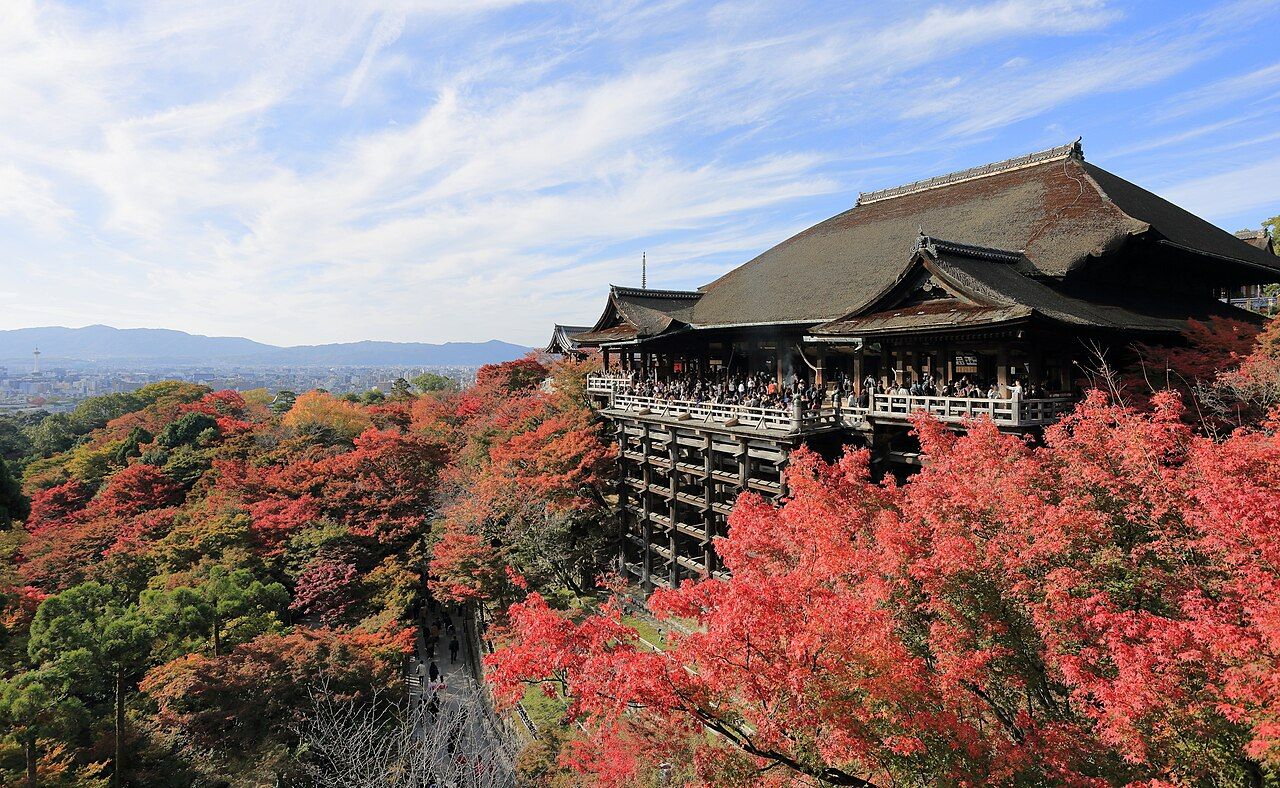
Kyoto is not short of temples, but it is short of quiet. By ten in the morning the famous sites fill with tour groups and school parties, and the narrow lanes below Kiyomizu-dera move at a shuffle. The answer is simple and slightly painful: go early. The city's shrines and temples were built for dawn prayers and morning bells, and that is when they make the most sense. This stop on the line is a plan for three or four early starts, each one built around a single area, with the afternoons left free for museums, naps and walking.
Fushimi Inari at first light
Fushimi Inari-taisha is the head shrine of Inari, the kami of rice and prosperity, and its slopes are lined with thousands of vermilion torii gates donated by businesses and families. The grounds are open around the clock, which makes it the easiest place in the city for a very early start. JR Inari Station sits right at the shrine's entrance, a few minutes from Kyoto Station on the JR Nara Line, and the Keihan line stops a short walk away.
The famous double tunnel of gates near the bottom is the part everyone photographs. Most visitors turn back within the first half hour. If you keep climbing towards the Yotsutsuji intersection, the crowds thin, the views open over the south of the city, and you find smaller sub-shrines heaped with miniature torii and stone foxes, Inari's messengers. The full circuit over Mount Inari takes two to three hours at an easy pace, with steps the whole way.
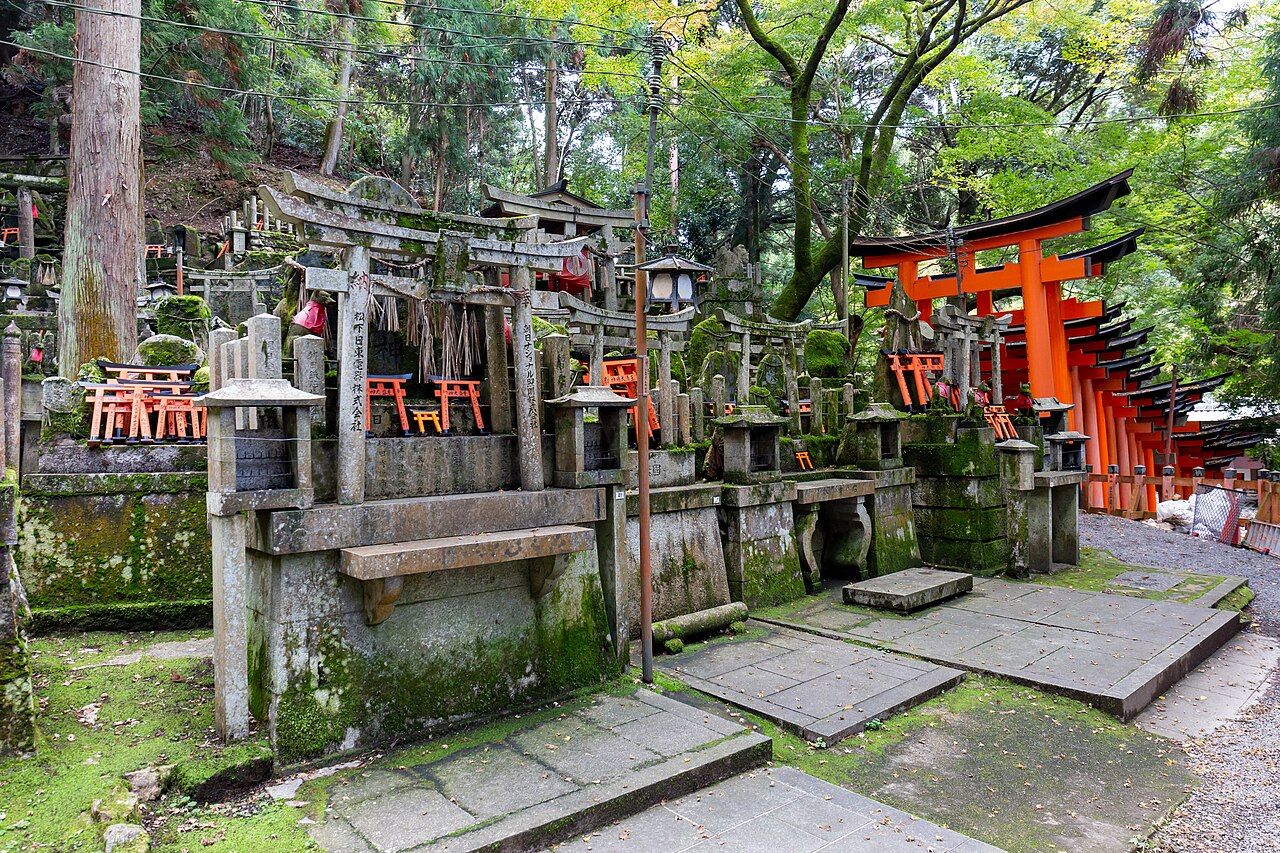
Walk quietly. People come here to pray, not only to pose, and the small shrines along the path are active places of worship. Step aside for anyone coming down, and do not lean on or climb the gates.
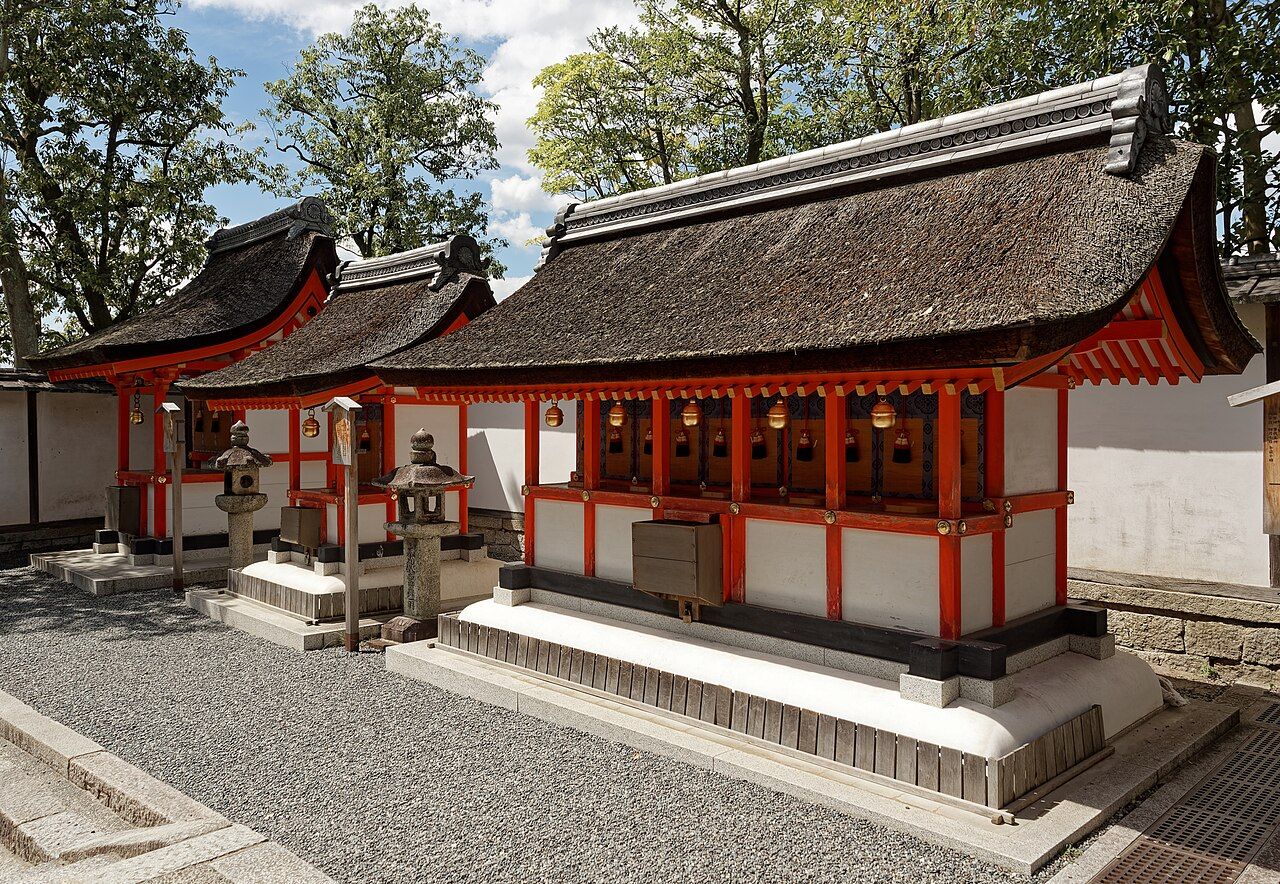
Kiyomizu-dera and the lanes below it
Kiyomizu-dera stands on the wooded slope of Higashiyama, its main hall held out over the valley on a great wooden stage built without nails. The temple opens early in the morning, earlier than most in the city, though hours change through the year and during special evening openings, so check before you go. Arrive at opening time and you can stand on the stage with the city still blue below you.
The approach is the real reward. The stone-paved slopes of Sannenzaka and Ninenzaka, lined with wooden townhouses, are almost empty before eight. Later the same lanes become a slow river of people. Walk down them early, then continue north through the Higashiyama district towards Yasaka Shrine and the Gion area. Every stretch of this walk is better before the shops open.
The stone-paved slopes of Sannenzaka and Ninenzaka, lined with wooden townhouses, are almost empty before eight.
In November the maples below the stage turn red and the temple holds evening illuminations, which draw large crowds. Morning is still the calmer choice, with low light across the leaves and a clear view west over the city.
The Philosopher's Path
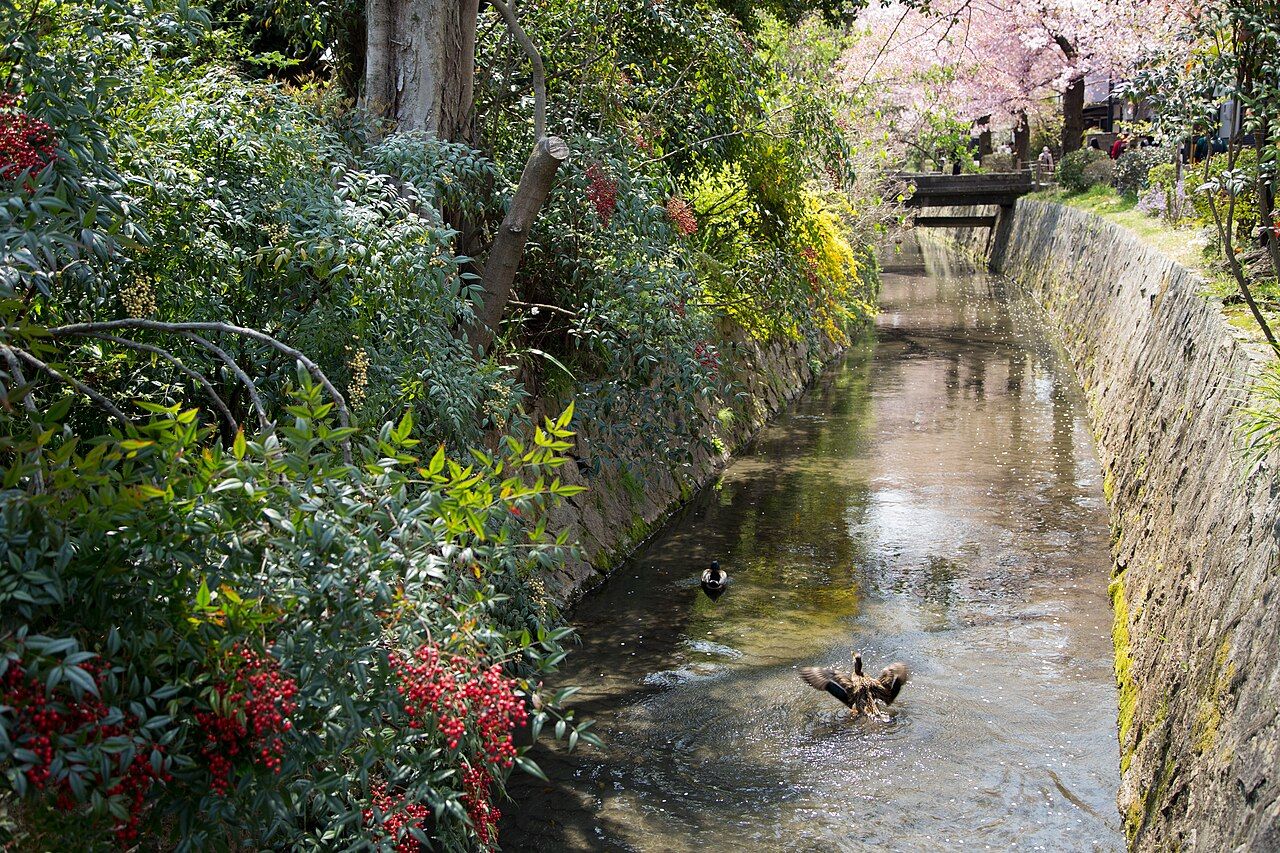
The Philosopher's Path follows a narrow canal for about two kilometres in the north of Higashiyama, between the area near Ginkaku-ji, the Silver Pavilion, and the neighbourhood around Nanzen-ji. It takes its name from a philosopher who walked it daily on the way to Kyoto University. Cherry trees line the canal, and in early April their petals drift onto the water.
 Change here for JapanNara: the Great Buddha and the deer park
Start at the northern end and walk south. Small temples sit just off the path, including Hōnen-in with its thatched gate and raked sand mounds, and they are quiet even in high season. At the southern end, Nanzen-ji's great gate and the brick aqueduct in its grounds make a good place to finish. Buses reach both ends, but the walk from the nearest subway stations is reasonable if the buses are full.
Arashiyama, bamboo and the river
Arashiyama, on the western edge of the city, is where the hills come down to the Hozu River. The bamboo grove beside Tenryū-ji is one of the most crowded paths in Japan by mid-morning, and it is short. Go at or just after sunrise and you hear what the grove is known for: the creak and knock of the stems in the wind.
After the grove, walk on towards the quieter temples at the foot of the hills to the north, where moss gardens and stone paths see a fraction of the visitors. Tenryū-ji's garden, laid out around a pond with the hills borrowed as a backdrop, opens a little later in the morning and rewards a slow look.
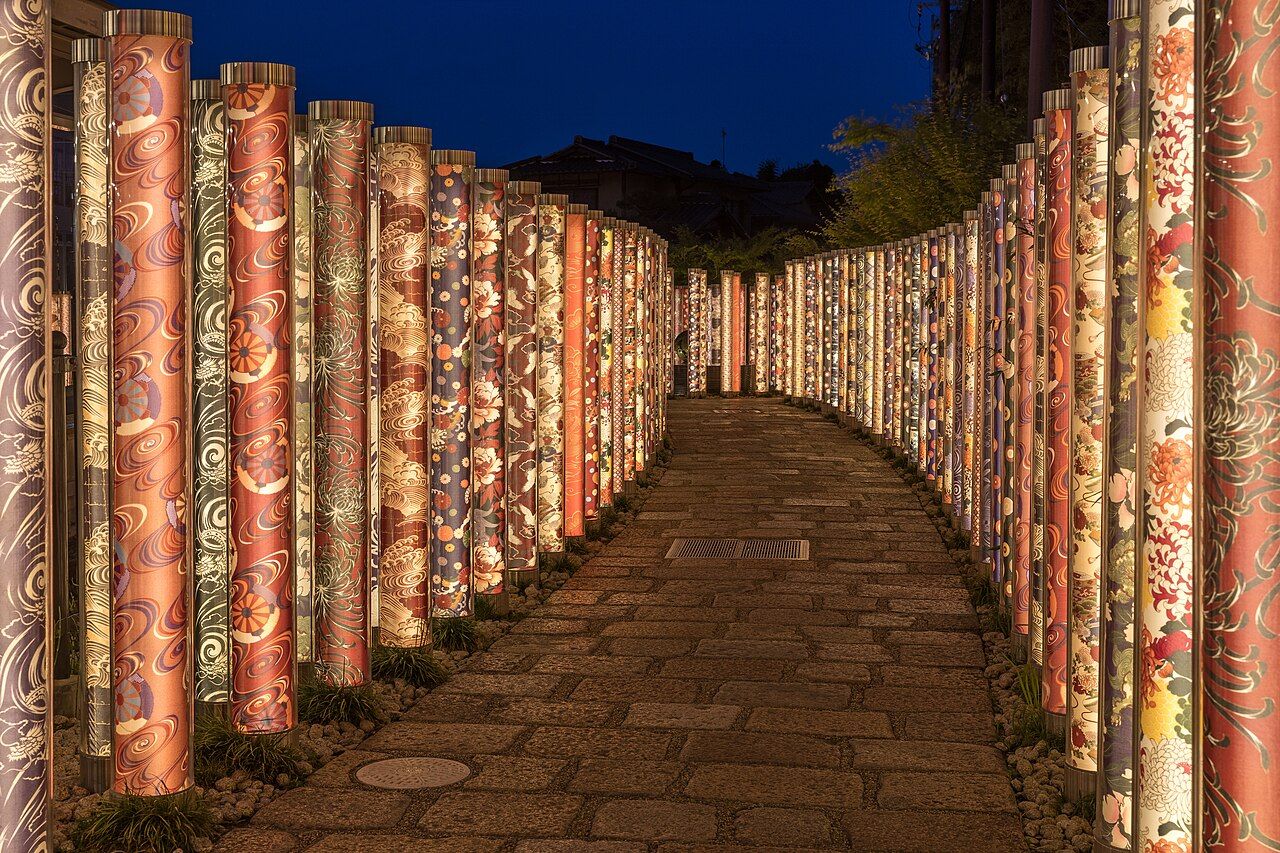
The JR Sagano Line runs from Kyoto Station to Saga-Arashiyama in under twenty minutes. The small Randen tram line, which ends at Arashiyama Station, makes a slower and more scenic return; the station's lit pillars wrapped in kimono fabric are worth a look after dark. If you are travelling on to the coast, our guide to rail passes and high-speed trains explains when a pass is worth buying.
Buses, trains and getting around
Kyoto's city buses reach almost every temple, which is why they are often too full to board. Trains and the two subway lines are faster for longer hops, and they never get stuck in traffic. A useful pattern is to ride the train to the edge of an area, walk through it, and use a bus only for the short connections where no line runs. A rechargeable IC card works on trains, subways and buses alike, and saves you from counting coins at the front of the bus.
Base yourself near Kyoto Station or a subway line if you plan early starts; it makes the first train easy. Walking between neighbouring districts is often quicker than any vehicle, and the city is flat in the centre. For a gentle day trip, Nara is under an hour away by train, and the same early-start rule applies there. If you are heading west, our two days in Hiroshima and Miyajima follow neatly by shinkansen.
Temple manners worth knowing
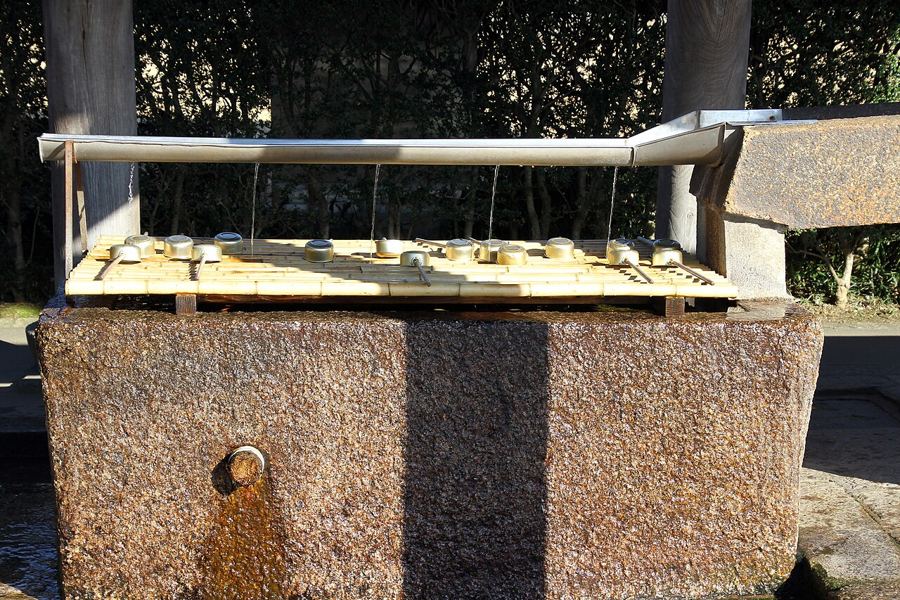
- Rinse your hands and mouth at the water basin before entering a shrine, if you wish, using the ladle and pouring the water away from the basin, never drinking from the ladle itself.
- Take shoes off where asked and carry them in the bags provided. Socks matter here.
- Photography is forbidden inside many halls. Look for the signs.
- Keep voices low, and do not eat while walking through temple grounds.
- Geisha and maiko in Gion are working people, not attractions. Do not follow them or block their way.
An early start in Kyoto costs a little sleep and returns hours of calm. By the time the crowds arrive, you are drinking coffee somewhere, with the best of the day already done. For more on eating politely as you go, read our notes on table manners across East Asia.
Photographs on this platform
- Main photograph: Martin Falbisoner, CC BY-SA 4.0
- Photograph: Balon Greyjoy, CC0
- Photograph: Jakub Hałun, CC BY 4.0
- Photograph: Yiannis Theologos Michellis, CC0
- Photograph: Yasumichi Morita (designer) Basile Morin (photographer), CC BY-SA 4.0