
Nara was Japan's capital for most of the eighth century, and it still holds some of the country's oldest and largest temple buildings. It is also small. The main sights sit together in Nara Park, a wide stretch of lawns and woodland on the eastern edge of town, and you can see the essentials in a single unhurried day. The park's famous residents, more than a thousand sika deer, wander freely between the temples.
Getting there
From Kyoto, the Kintetsu line runs to Kintetsu-Nara Station, which is the closest station to the park, and the JR Nara Line runs to JR Nara Station, a little further west. From Osaka, Kintetsu trains from Namba also reach Kintetsu-Nara directly. Either way the journey takes under an hour. Kintetsu-Nara is a short walk from the park, while from JR Nara you can walk or take a local bus along the main street.
Arrive early. Tour groups reach Tōdai-ji by mid-morning, and the space in front of the Great Buddha fills quickly. If you are staying in Kyoto, the same early-start habit that works for Kyoto's temples before the crowds works here.
Tōdai-ji and the Great Buddha
You enter Tōdai-ji through the Nandaimon, the great south gate, where two fierce wooden guardian figures stand in the side bays, one with its mouth open and one with its mouth closed. Beyond the gate, the Daibutsuden, the Great Buddha Hall, rises from a broad courtyard. It is one of the largest wooden buildings in the world, though the present hall, rebuilt in the Edo period, is smaller than the original.
Inside sits the Daibutsu, a seated bronze Buddha nearly fifteen metres tall, flanked by attendant figures. The scale is hard to judge until you see a person standing beside the base. Walk the full circuit of the hall. Behind the Buddha, one wooden pillar has a hole at its base, said to match the size of the statue's nostril, and children squeeze through it for luck. Queues form for this on busy days.
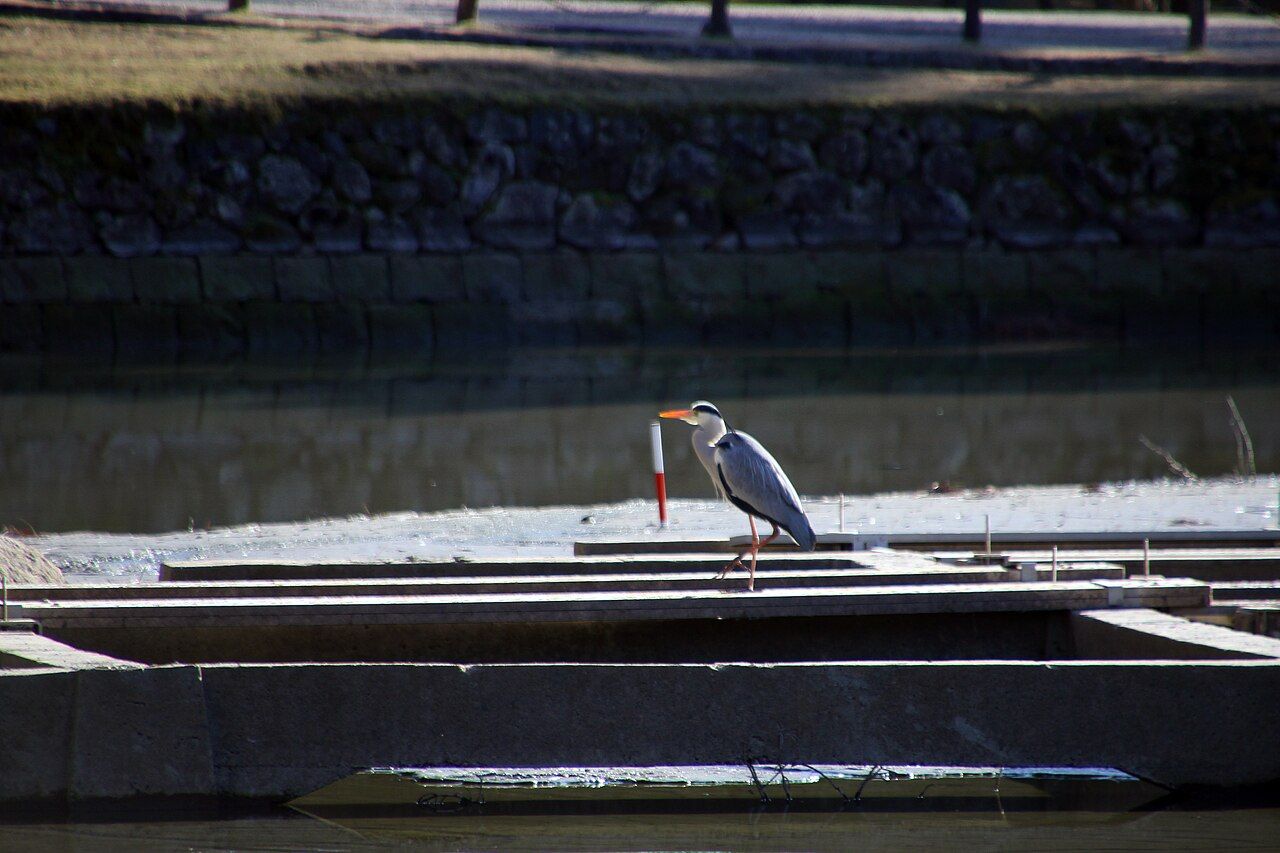
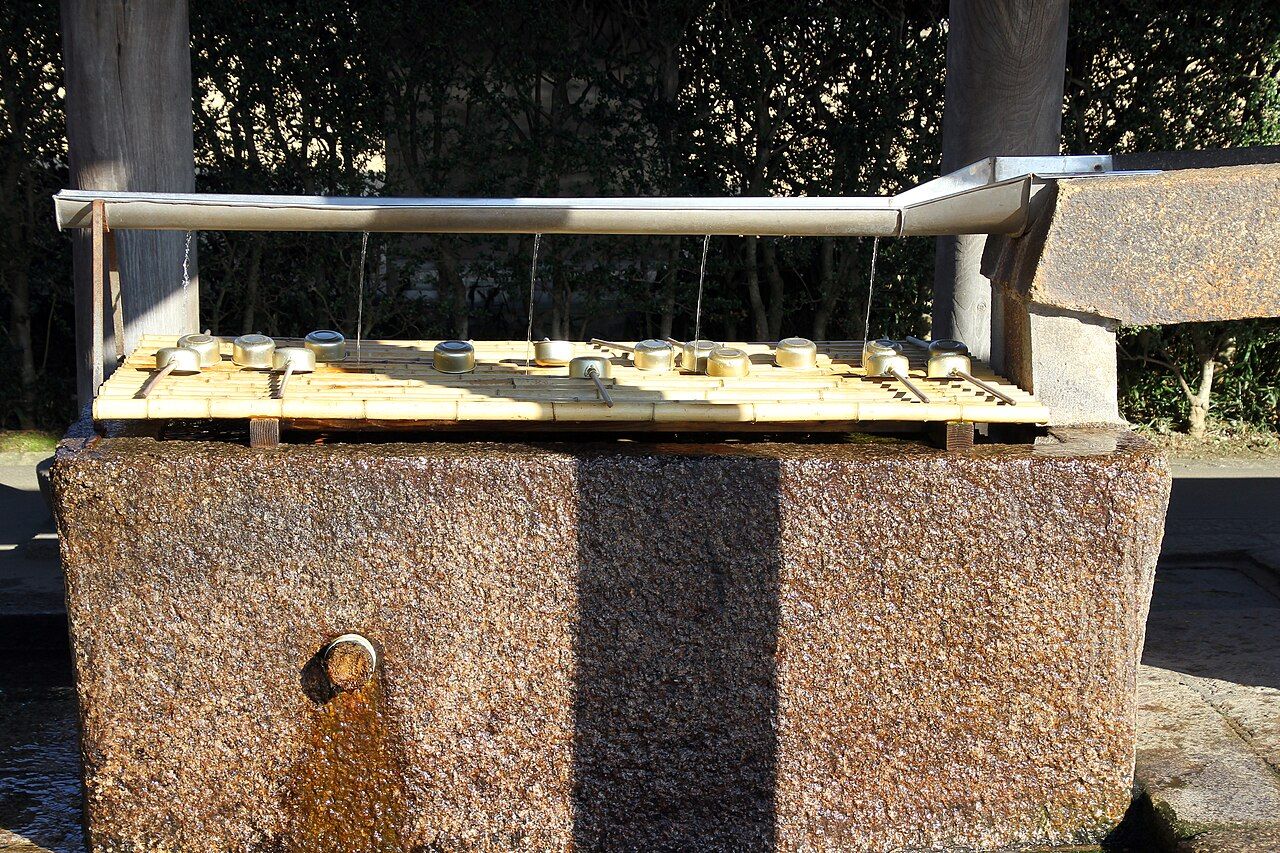
Outside the main hall, look for the purification basin where visitors rinse their hands, and for the ponds in front of the temple where herons often stand perfectly still. Uphill to the east, the Nigatsu-dō hall has a wooden balcony with a wide view over the town and few visitors late in the day.
Kasuga Taisha and its lanterns
Kasuga Taisha, south-east of Tōdai-ji, is Nara's great Shinto shrine. It was founded to protect the capital, and its vermilion halls sit at the end of a long path through ancient forest. Some two thousand stone lanterns line the approach, many covered in moss, and around a thousand bronze lanterns hang from the shrine's corridors. Most have been donated over the centuries by worshippers.
 Change here for KoreaGyeongju, the museum without walls
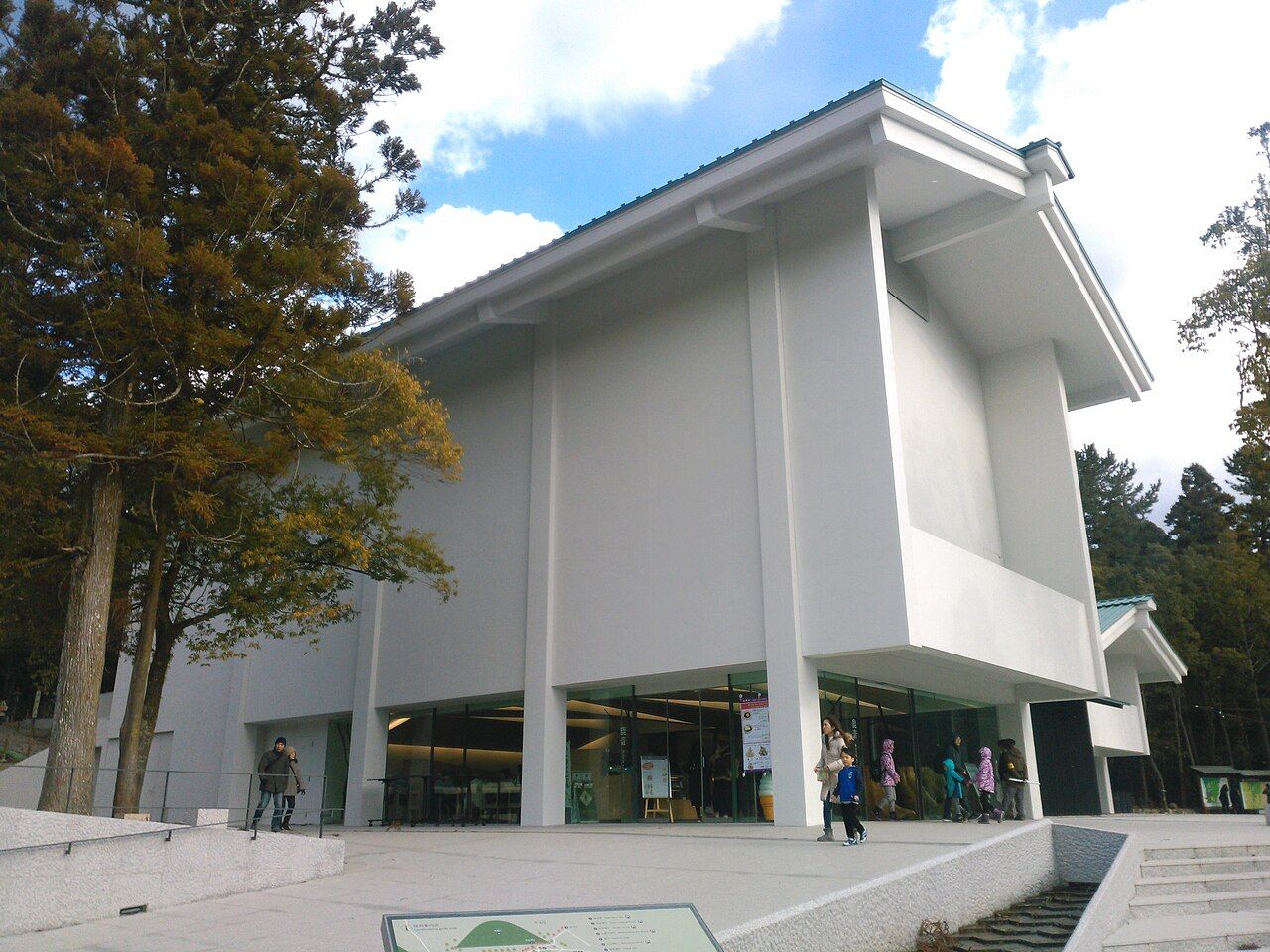
The lanterns are lit all at once only during festivals held twice a year, in early February and mid-August. The calendar shifts from year to year, so confirm it nearer the time. On an ordinary day the shrine is still worth the walk, especially in the early morning when the forest path is cool and almost empty. The shrine's treasure hall, a modern white building near the entrance, displays ritual objects and old festival drums.
The deer, and the rules
Nara's deer have been regarded as sacred messengers of the gods for centuries, and today they are protected as a national natural monument. They roam the park, the temple grounds and the edges of town. Vendors in the park sell special deer crackers, and many deer have learned to bow their heads when they see them, which looks like good manners but is mostly an expectation of food.
A few rules keep both you and the deer safe:
- Feed them only the official crackers. Human food and plastic bags make them ill, and some deer have died from swallowing litter.
- Do not hold the crackers high and tease them. Deer can butt, kick and bite, and they grab at bags and paper maps.
- Take extra care in autumn, when the males become more aggressive, and in late spring and early summer, when mothers protect their young fawns.
- When you run out, show your open hands. The deer usually understand.
- Keep your rubbish with you. There are few bins in the park, by design.
Making a day of it
A comfortable order is Tōdai-ji first, then Nigatsu-dō, then the forest path down to Kasuga Taisha, finishing with a slow walk back through the park. Nara National Museum, on the park's edge, holds a fine collection of Buddhist art and is a good shelter on a wet afternoon. To the south of the park, the old merchant streets of Naramachi make a quiet end to the day, with narrow wooden townhouses and small temples.
Kōfuku-ji, near Kintetsu-Nara Station, has a five-storey pagoda that you pass on the way in or out. Its main buildings are worth an hour if you have one spare. If you have a second day, the temples of western Nara, such as Hōryū-ji, are reached by train and bus and hold some of the oldest wooden buildings in the world.
Nara is also lovely in the evening, after the day visitors have gone. The deer settle on the lawns, the temple roofs stand dark against the sky, and the park becomes a quiet place to walk before your train back.
For more on handling sacred animals with care, our guide to Hiroshima and Miyajima covers another island where deer share the paths with visitors. Nara rewards a gentle pace. The temples have stood for centuries; the deer are in no hurry either.
Photographs on this platform
- Main photograph: Hyppolyte de Saint-Rambert, CC BY-SA 4.0
- Photograph: Hyppolyte de Saint-Rambert, CC BY-SA 4.0
- Photograph: Kerakon, CC BY-SA 4.0