
Tokyo can feel overwhelming on the first day: huge stations, many companies running many lines, and crowds that seem to move with one mind. But the system follows rules, and once you learn them it becomes the calmest way to explore. This stop is about using the trains slowly, choosing a few neighbourhoods and walking between them, rather than racing from one landmark to the next.
The Yamanote loop
The JR Yamanote Line runs in a loop around central Tokyo, linking most of the city's major hubs, including Tokyo, Ueno, Ikebukuro, Shinjuku, Shibuya and Shinagawa. Trains run in both directions every few minutes for most of the day, and a full circuit takes roughly an hour. The trains are light green, and the line is colour-coded the same way on every map and sign.
Riding the whole loop just to look out of the window is a pleasant hour on a quiet weekday afternoon. More useful is treating it as a spine: ride a few stops, get off, walk a neighbourhood, and get back on.
Tokyo Station and Marunouchi
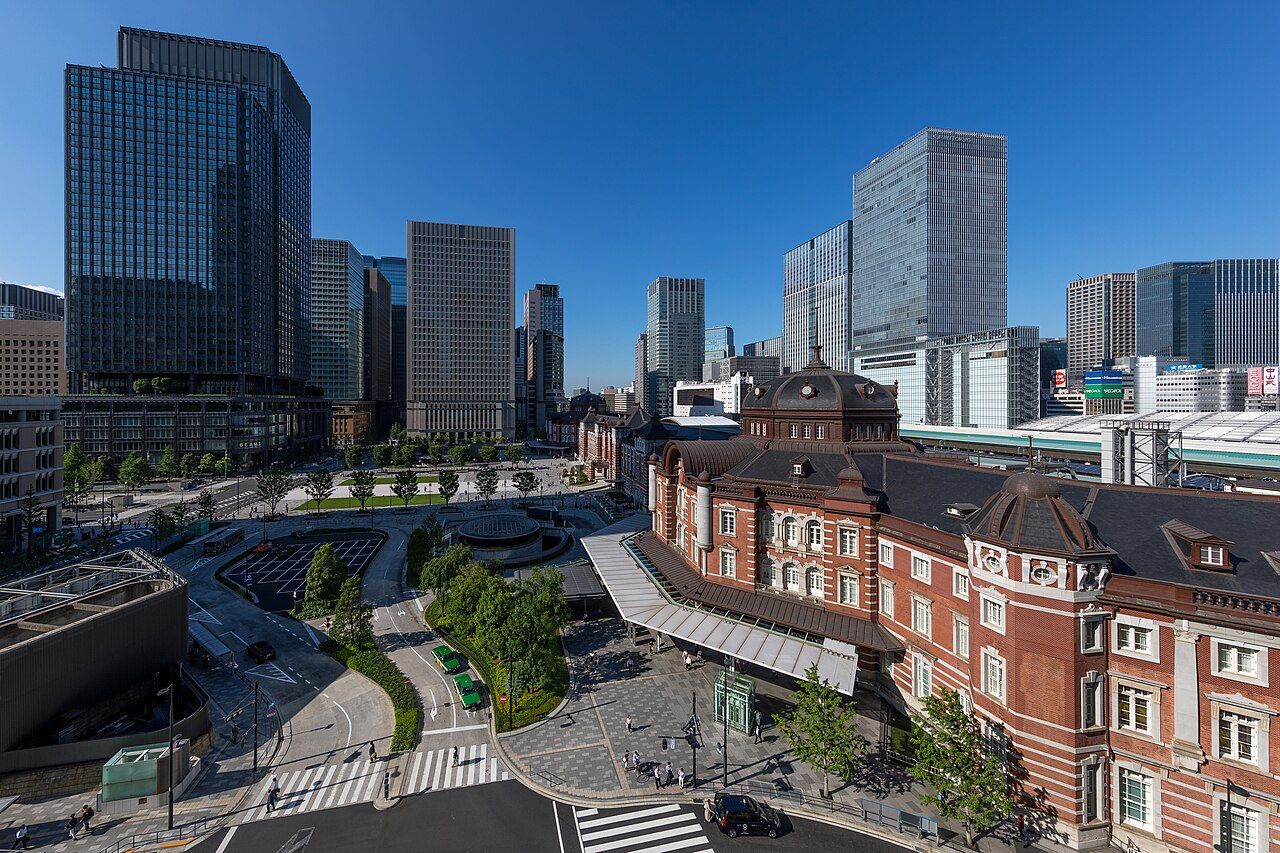
Tokyo Station's red-brick Marunouchi building opened in 1914 and was restored to its original form, with its domes, in 2012. Step out of the Marunouchi side and look back at it from the plaza in front; the contrast with the glass towers around it is striking. The Imperial Palace East Gardens are a short walk away and are usually open to the public free of charge, though closed on some days, so check before you go.
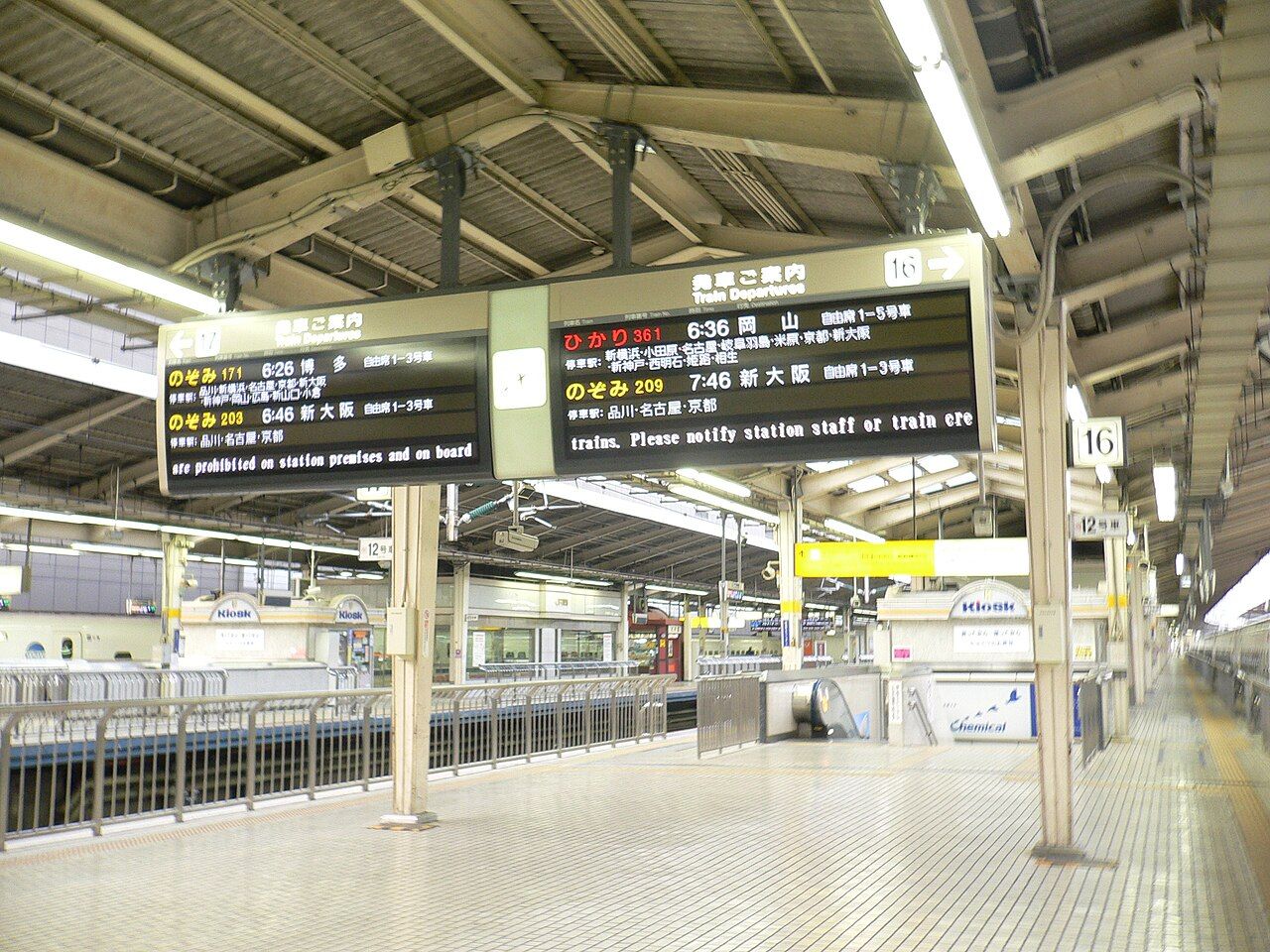
The station is also the terminus for many shinkansen lines. Watching the cleaning crews turn a train around in minutes, bowing to passengers as they leave, is one of the city's small spectacles.
The station is enormous, with underground passages running for long distances, so allow extra time for changes and follow the colour-coded signs to your line rather than the crowd.
A day of neighbourhoods by station
Pick an older corner of the city and walk it end to end. A good route starts at Nippori, on the northern side of the loop. From the station, walk into Yanaka, an area that survived the war and the great earthquake of 1923 with many of its wooden houses, temples and narrow lanes intact. The large Yanaka Cemetery is lined with cherry trees, and the shopping street of Yanaka Ginza runs down a short flight of steps known for its sunset view.
 Change here for JapanKanazawa, the garden city on the Sea of Japan
From Yanaka, walk south through the neighbouring districts of Nezu and Sendagi to Ueno Park, home to the Tokyo National Museum, a zoo and a large pond covered in lotus leaves in summer. From Ueno, the Ginza subway line runs to Asakusa and Sensō-ji, Tokyo's oldest temple. Arrive there early or late to see it without the crowds that fill its approach street at midday.
For a different day, ride out east to Shibamata on the Keisei line. The approach to its temple, Taishakuten, is a street of old wooden shopfronts, and the temple's wooden carvings are some of the finest in the city.
Other good station walks include Kichijōji, west of Shinjuku, for Inokashira Park and its pond, and Kagurazaka, a hilly district of stone-paved lanes near Iidabashi. In each case, the station is the start, and the walking is the point.
IC cards and tickets
A rechargeable IC card is the easiest way to pay. You tap in and out at the gates, and the fare is deducted automatically, whichever company runs the line. The same card works on buses, on most trains across Japan's major cities, and in many convenience stores and vending machines. Availability of physical cards for visitors has changed in recent years, and digital versions exist for some phones, so check before you go.
Japan Rail Pass rules and prices changed in 2023. A pass may not pay for itself if you are mainly staying in Tokyo, where many lines are run by private companies and the subway is not included. Our guide to rail passes in East Asia covers the general picture.
Rush hour and women-only cars
Between roughly seven-thirty and nine-thirty in the morning, and again in the early evening, the busiest lines are packed. If you have a choice, travel outside those hours, especially with luggage. Many lines have women-only cars during the morning rush; they are marked on the platform and on the train, and the rule applies to everyone on board, so read the signs before you step in. Children and people with disabilities are usually welcome in them, with carers.
Priority seats near the doors are for older people, pregnant passengers and those with disabilities or small children. Leave them free when others need them, and keep phones away from them where signs ask you to.
Platform and train manners
- Queue in the marked lines on the platform, at the indicated door positions.
- Let people off before you board, and move to the middle of the carriage.
- Take your backpack off and hold it in front of you or put it on the rack.
- No phone calls on the train, and keep conversations quiet.
- Eating on local commuter trains is frowned upon; long-distance trains are a different matter.
- On escalators, people stand on one side, which differs between Tokyo and Osaka; follow those ahead of you.
Once you know these few habits, Tokyo's trains turn from a test into a pleasure. For a day out of the city, our guide to the Hakone loop is reached easily by train from Shinjuku.
Photographs on this platform
- Main photograph: Basile Morin, CC BY-SA 4.0
- Photograph: Araisyohei, CC BY-SA 3.0