
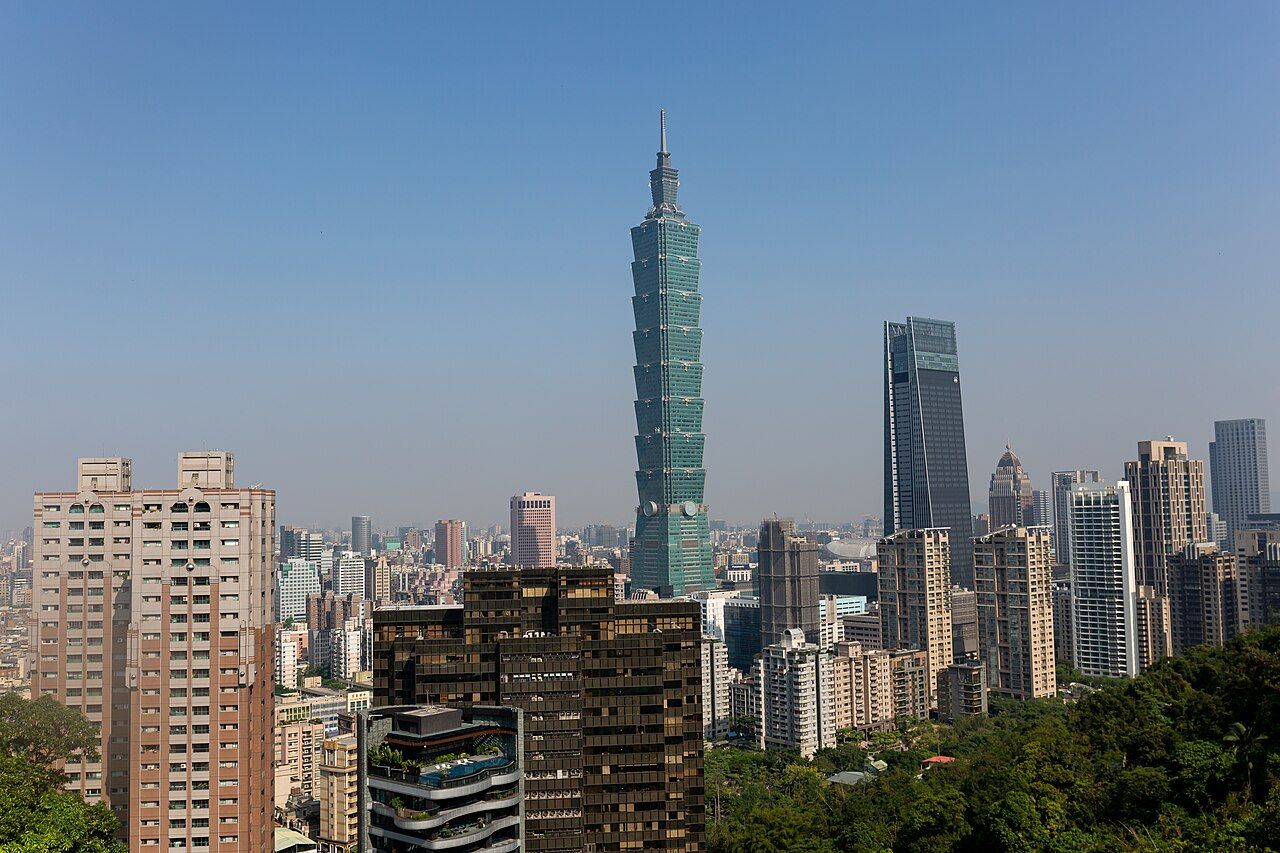
Taipei does not overwhelm you. Its MRT is clean, quiet and simple to use, its streets are shaded by arcades against rain and sun, and green hills rise on almost every side of the basin. Within a few stops you can move from an eighteenth-century temple to a museum of imperial treasures, from a hiking trail above the skyline to a hot spring valley. This stop on the line follows the metro from one to the next, and ends where Taipei is happiest: at a night market.
Getting around by MRT
The Taipei MRT is the backbone of any visit. Its colour-coded lines cross the city and reach out to the hills, the river and the hot springs, and trains run frequently from early morning until around midnight. A rechargeable stored-value card works on the metro, city buses and many local trains, and saves queuing for single tokens. Signs and announcements are in Chinese and English, and the stations are clean, bright and easy to navigate.
The city rewards walking between stations, too. Arcades along many streets keep you out of the rain and sun, and side lanes hide small temples, markets and parks. In the older Dadaocheng district near the river, the long street of Dihua Street still trades in dried goods, herbs and tea from shophouses built in the late nineteenth and early twentieth centuries. An hour there gives a sense of the merchant city that grew up along the Tamsui River long before the towers of Xinyi rose. Buses fill the gaps where the MRT does not reach, including the routes up into the mountains of Yangmingshan, a national park of volcanic hills, grassland and steaming vents on the city's northern edge.
The National Palace Museum
The National Palace Museum, in the Shilin district on the city's northern edge, holds one of the world's great collections of Chinese art: bronzes, jades, ceramics, calligraphy, painting and rare books spanning thousands of years. Only a small share of the collection is on display at any time, and exhibitions rotate, so even repeat visitors find something new. The best-known pieces draw crowds, but the quieter rooms of painting and calligraphy are where you can stand and look properly.
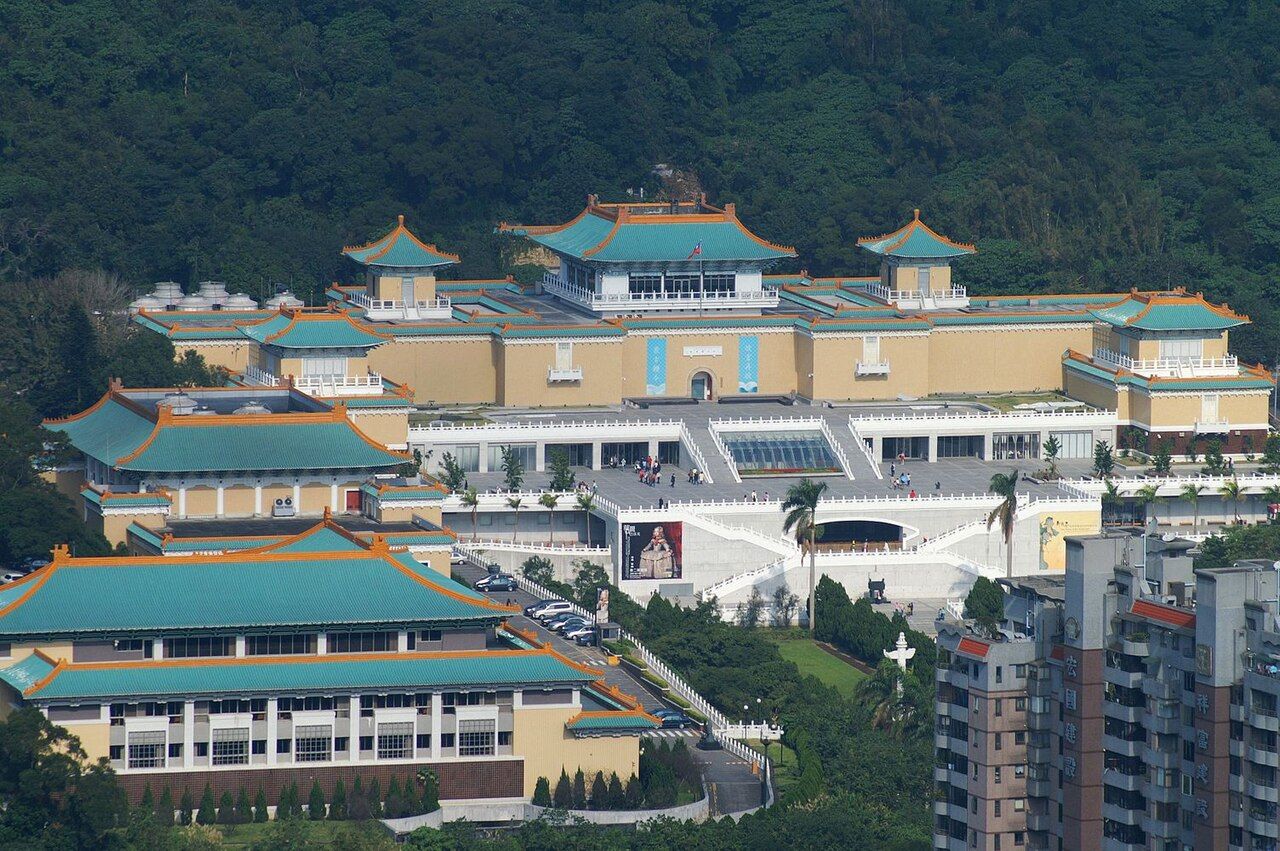
Arrive at opening time, or come late in the afternoon when tour groups thin out. Take the MRT to Shilin and continue by bus. Give yourself at least half a day, and check opening hours before you go. Audio guides and English labels help, and the gardens beside the main building make a calm place to rest between galleries. If your time is short, choose one or two areas, such as ceramics or painting, and see them well rather than rushing through everything.
Longshan Temple and old Wanhua
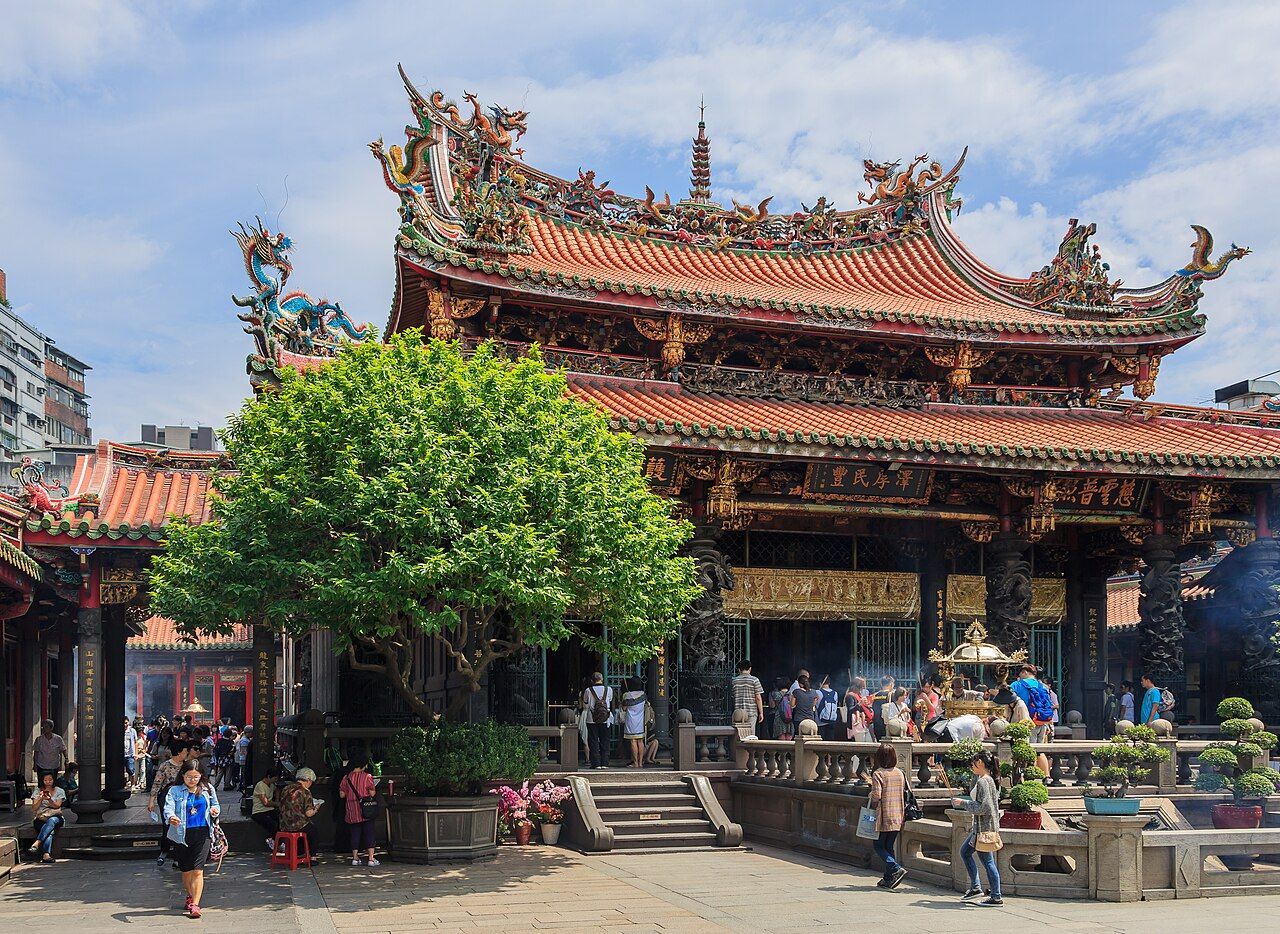
Mengjia Longshan Temple, in the Wanhua district, was founded in the eighteenth century by settlers from Fujian and has been rebuilt several times since. It is a working temple, crowded with worshippers from early morning, and its roofs are thick with dragons, phoenixes and figures in coloured ceramic. The main hall honours Guanyin, the bodhisattva of compassion, and halls behind it hold a wide range of other deities, including the goddess of the sea and gods of learning and love.
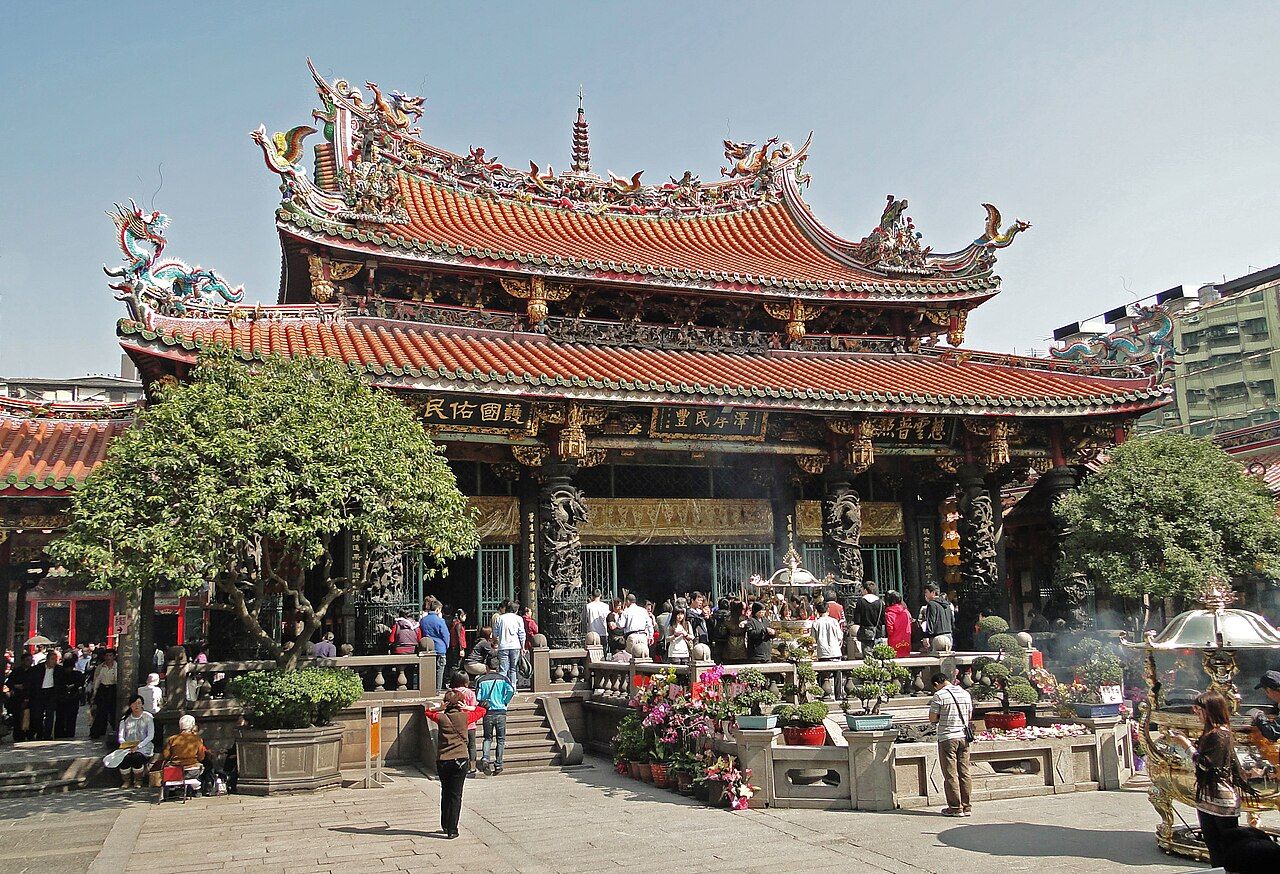
Visit with respect: walk in through the right-hand door and out through the left, keep your voice low, and avoid stepping in front of people praying. You may see worshippers dropping crescent-shaped wooden blocks to the floor, asking a question and reading the answer in how they land. Afterwards, walk the old streets nearby, where medicinal herb shops and small markets have traded for generations.
Elephant Mountain at sunset
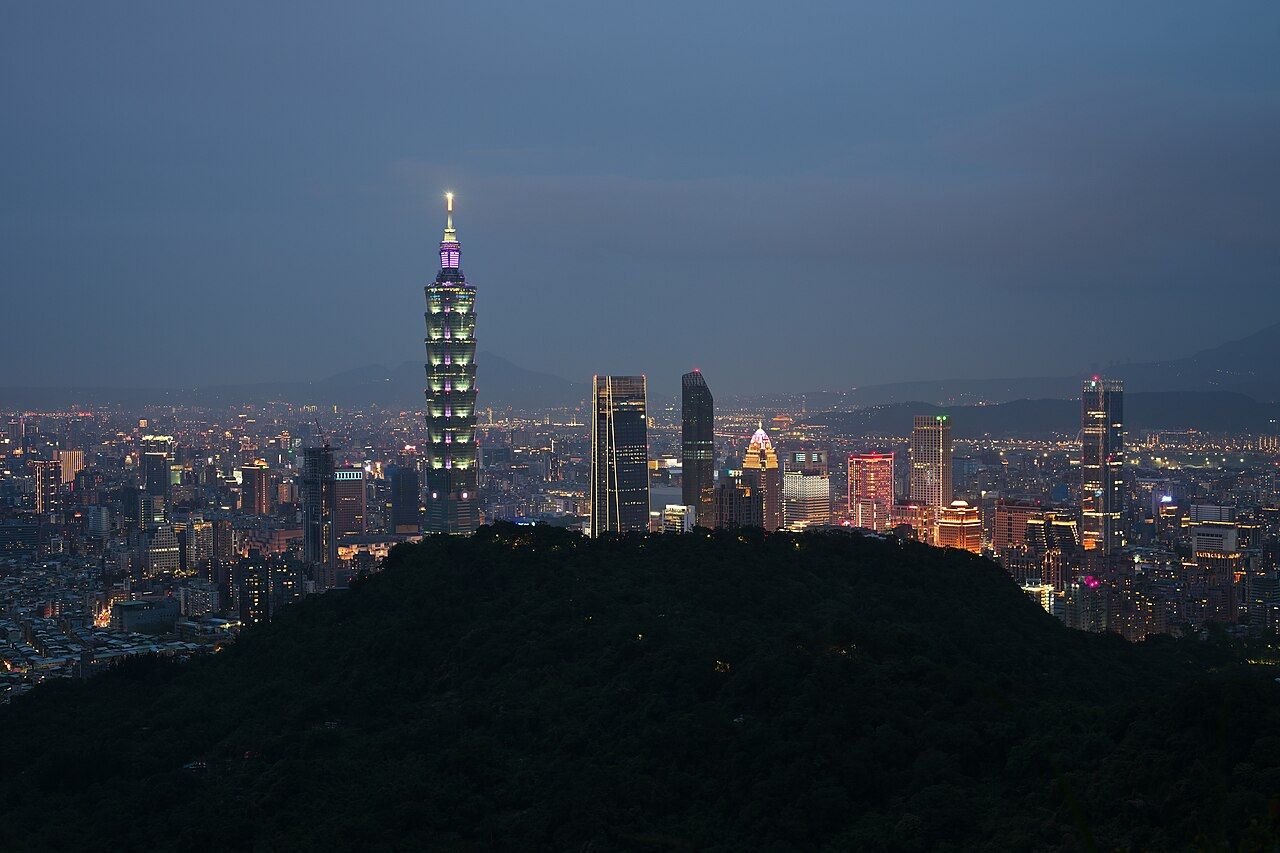
Elephant Mountain is the easiest way above the city. From near Xiangshan MRT station, a trail climbs steep stone steps through the forest to viewing platforms that look straight across at Taipei 101 and the towers of the Xinyi district. The climb takes about twenty to thirty minutes for most people. It is short but unrelenting, and in summer the humidity makes it feel longer.
Time it for the last hour of daylight. You watch the city change from green and grey to gold, and then the lights come on across the basin. Bring water, a torch for the descent, and something against mosquitoes. 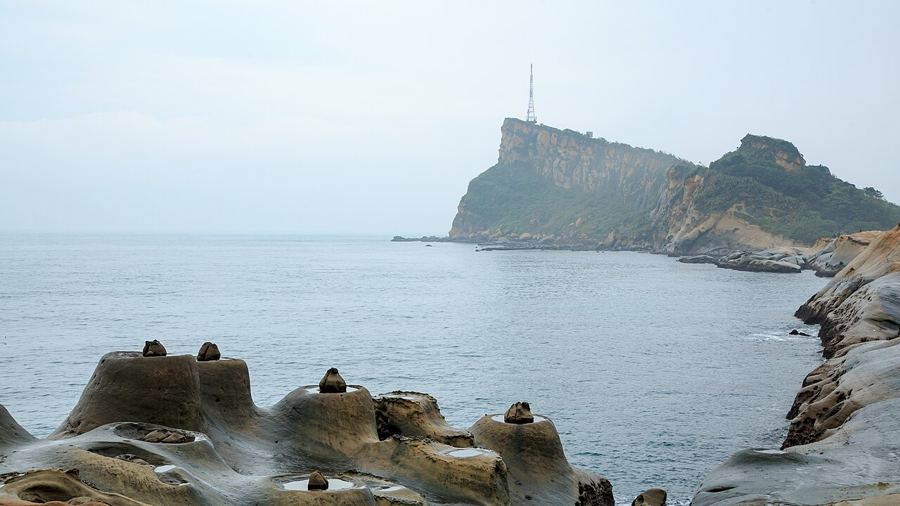 Change here for TaiwanJiufen and the north-east coast The trail continues into a network of paths across the hills if you want a longer walk on another day.
The night market is less a place to shop than a place to graze, slowly, in good company.
Night markets
Every district in Taipei seems to have its own night market, and they are the heart of the city's evening life. The night market is less a place to shop than a place to graze, slowly, in good company. Stalls sell grilled sausages, oyster omelettes, pepper buns baked in clay ovens, bowls of noodles, shaved ice and bubble tea. Some markets are huge and famous; others are a single street of stalls where locals eat dinner on plastic stools.
A few habits help. Carry cash in small notes. Join queues, which are often a good sign. Share dishes so you can try more, and return bowls and chopsticks where stalls ask you to. Many stalls specialise in one dish, cooked the same way for decades, and it is worth asking what the speciality is. The guide to chopsticks and table manners covers the basics of a shared table.
Beitou hot springs and typhoon season
On the red MRT line north of the centre, a short branch from Beitou station takes you to Xinbeitou, a hot spring district at the foot of the Yangmingshan hills. In the park along the stream, a steaming thermal valley sits in a hollow, and an old bathhouse from the early twentieth century now serves as a museum of the area's history. Public baths and private ones are both available. Rules differ, but at most shared baths you wash before entering, keep towels out of the water, and follow the swimwear rules posted at the entrance.
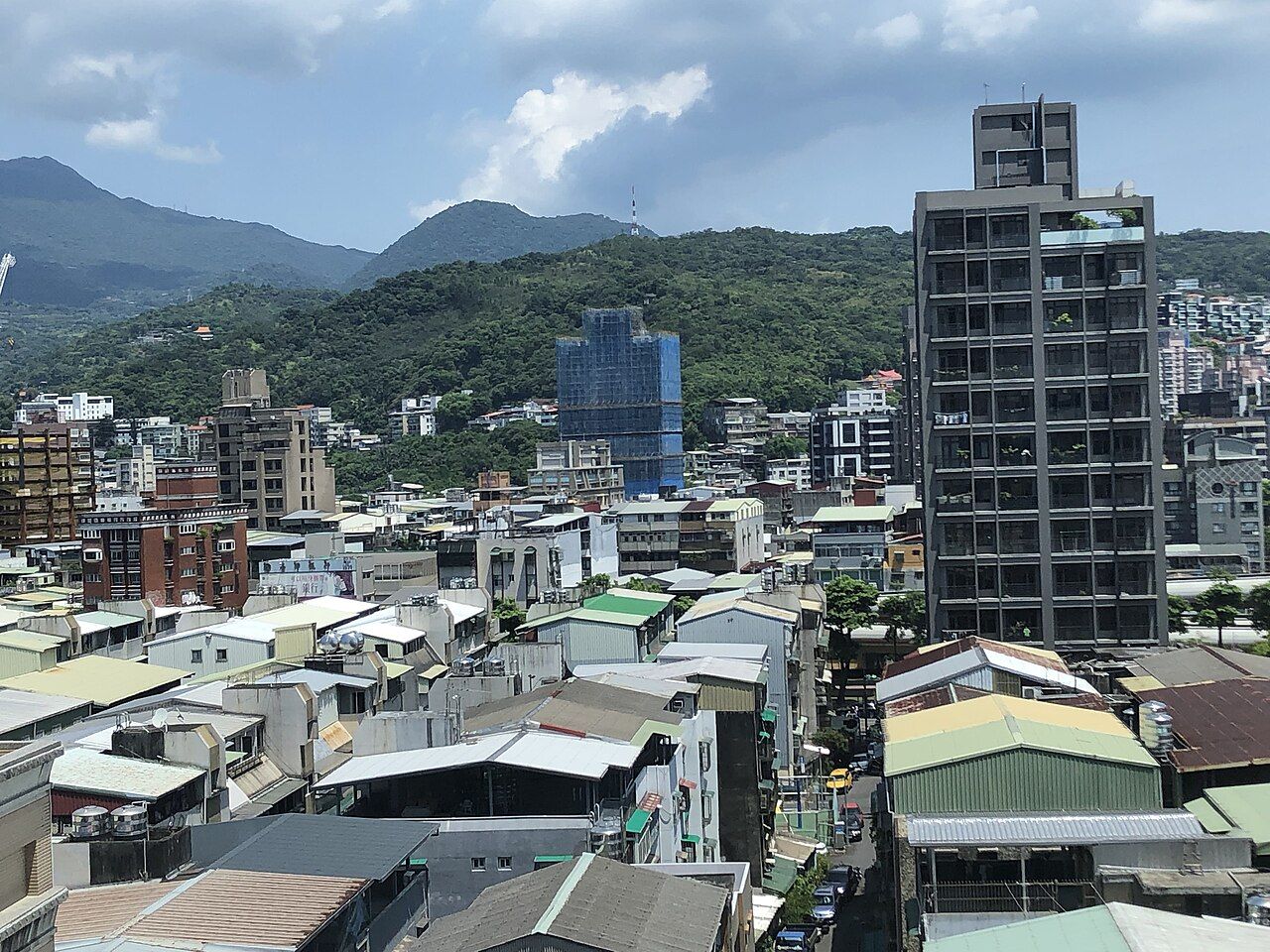
Taipei's weather shapes any plan. Summers are hot, humid and stormy, and the typhoon season runs roughly from early summer into autumn. When a typhoon approaches, warnings are issued and local governments may suspend work and school, with some transport stopping. Follow official announcements and keep a flexible day in your schedule. Winter is mild but often damp and grey. The most comfortable months are usually spring and autumn.
From Taipei, the slow trains of the north-east coast and the Taiwan High Speed Rail reach most of the island. For a quieter day out, the hill town of Jiufen and the Pingxi line are a short journey east.
Photographs on this platform
- Main photograph: Balon Greyjoy, CC0
- Photograph: Peellden, CC BY 3.0
- Photograph: Bernard Gagnon, CC BY-SA 3.0
- Photograph: CEphoto, Uwe Aranas, CC BY-SA 3.0
- Photograph: 4300streetcar, CC BY 4.0
- Photograph: Battlesnake1, CC0